
Windows 11 Laptop i3
4.5Editor score
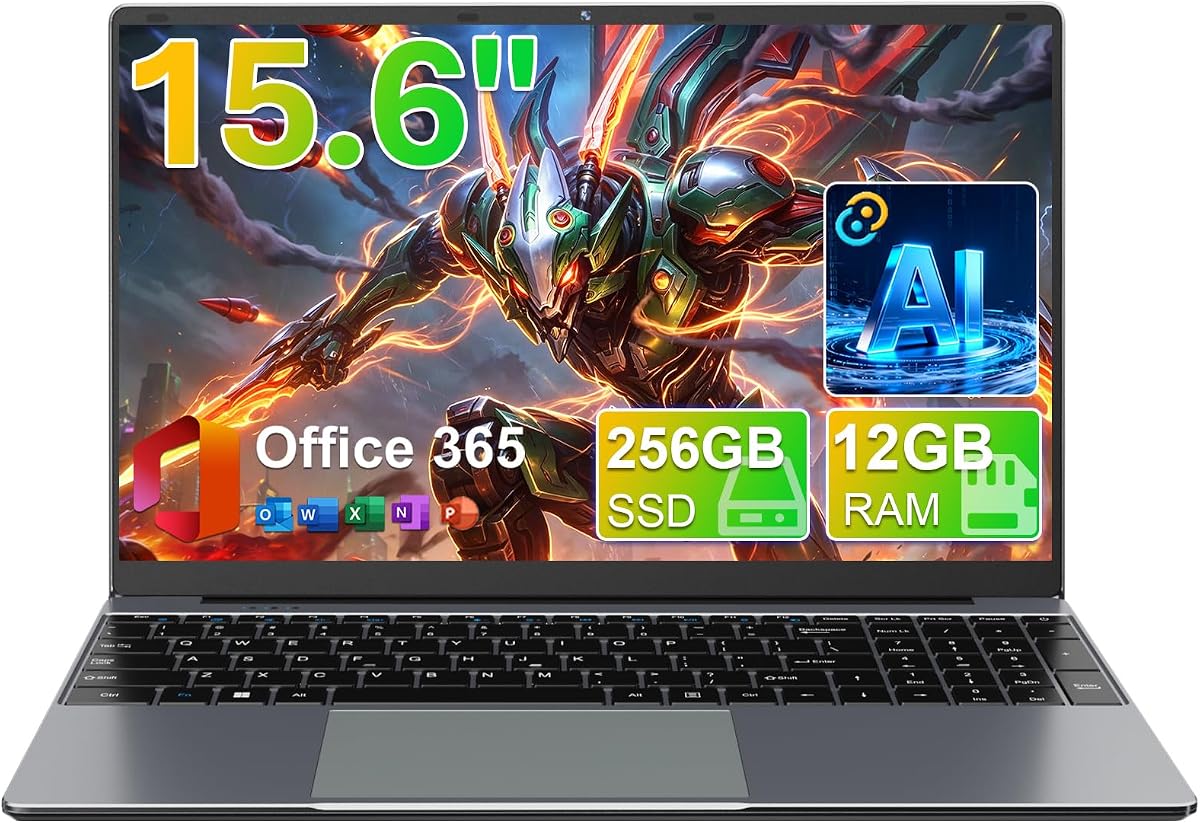
12GB RAM 256GB SSD
15.6 Full HD Display
Lightweight Portable Design
This guide compares the top 10 laptops for engineering students, evaluating performance, display quality, battery life, and portability to find the ideal
Choosing the right laptop for engineering studies requires balancing powerful processing with portability. Students need machines that can handle CAD software, coding environments, and multitasking without breaking the bank or weighing down a backpack.
We evaluated ten top-rated laptops based on processor speed, memory capacity, storage options, and display quality. Our analysis focuses on real-world usability for engineering tasks, ensuring each recommendation meets academic and professional demands effectively.
Each pick highlights specific strengths like battery endurance, screen clarity, or expandability. Remember that prices fluctuate frequently, so check current deals before purchasing to secure the best value for your specific engineering major requirements.
4.5Editor score

4.6Editor score

4.6Editor score
This side-by-side comparison highlights key specifications across all ten models to help you identify the best fit for your engineering curriculum and budget constraints quickly.




This Lenovo laptop ranks as our top pick for engineering students due to its powerful 13th Gen i7 processor and generous 24GB RAM. It handles demanding simulations, coding IDEs, and multitasking with remarkable smoothness.
We may earn a commission when you buy through this link, at no additional cost to you.
The 1TB PCIe 4.0 NVMe SSD ensures rapid boot times and file access, crucial for large project files. Its MIL-STD-810H military-grade testing guarantees reliability in harsh environments like labs or construction sites.
While the price is higher than budget options, the performance justify the cost for serious engineering work. The integrated graphics may limit heavy 3D rendering, but it suffices for most academic tasks.
Students needing a robust machine for multiple years should invest in this model. Its balance of power, storage, and durability makes it an outstanding choice for long-term academic success.
The 10-core i7 processor reaches up to 4.9GHz, providing the computational power needed for complex engineering calculations and virtual design work without lag.
Tested against military standards for drops and temperature extremes, this laptop withstands the rigors of campus life and fieldwork, ensuring longevity.
We may earn a commission when you buy through this link, at no additional cost to you.
This budget-friendly laptop offers excellent value for students prioritizing basic coursework and light engineering applications. Its 12GB RAM allows smooth multitasking between browser tabs and office apps.
We may earn a commission when you buy through this link, at no additional cost to you.
The 15.6-inch Full HD screen provides clear visuals for reading schematics or watching lectures. Connectivity options like WiFi 6 and multiple USB ports ensure flexibility for peripherals and external monitors.
While the i3 processor isn't suited for heavy rendering, it handles standard assignments well. The 256GB SSD is expandable via TF card, offering room for additional files.
Ideal for students on tight budgets or those starting their first year. It delivers essential performance and portability without compromising on key features like battery life and screen quality.
Priced under $330, this laptop provides a solid entry point for students needing a reliable machine for online classes and document editing.
A TF card slot supports expansion up to 2TB, allowing you to store large datasets or media without upgrading the internal drive.
We may earn a commission when you buy through this link, at no additional cost to you.
This HP laptop stands out with its expansive 17.3-inch display, ideal for working on detailed blueprints or spreadsheets side-by-side. The Ryzen 5 processor delivers responsive performance for demanding tasks.
We may earn a commission when you buy through this link, at no additional cost to you.
Windows 11 Pro offers enhanced security and management features beneficial for business or engineering school environments. Fast Charge technology ensures quick battery top-ups during busy schedules.
The larger screen adds bulk, making it less portable than 14-inch models. However, the visual real estate and processing power make it a strong contender for stationary workspaces.
Best for students with a dedicated desk setup who value screen size and OS features. It balances premium performance with a reasonable price for a larger form factor.
The 17.3-inch IPS panel offers wide viewing angles and crisp visuals, reducing eye strain during long hours of design work or research.
Windows 11 Pro provides better network management and security controls, useful for engineering projects requiring sensitive data protection.
We may earn a commission when you buy through this link, at no additional cost to you.
This HP model includes a year of Microsoft 365, saving costs on productivity software essential for engineering reports and presentations. The N150 processor offers efficiency for standard academic work.
We may earn a commission when you buy through this link, at no additional cost to you.
Copilot AI assistance helps draft emails and summarize documents, streamlining administrative tasks. The 11-hour battery life supports all-day use without frequent charging breaks.
Storage is limited, so external drives may be necessary for large CAD files. The compact 14-inch design makes it easy to carry around campus.
Great for students focused on documentation and collaboration who need a reliable daily driver. The included software adds significant value to the overall package.
Preloaded with a one-year Office 365 subscription, this laptop saves you immediate costs on Word, Excel, and PowerPoint for coursework.
Copilot AI helps with writing and research tasks, allowing you to focus more on technical engineering content.
We may earn a commission when you buy through this link, at no additional cost to you.
This HP Stream laptop offers exceptional RAM and storage for the price. The 16GB DDR4 RAM supports smooth multitasking, while the 1TB docking station provides ample external space.
We may earn a commission when you buy through this link, at no additional cost to you.
The 14-inch HD display is clear enough for document editing but may lack resolution for detailed graphic work. It is ideal for students who prioritize memory and storage over screen fidelity.
The Celeron processor is entry-level, suitable for web browsing and light apps. It is a budget-conscious choice for those who need capacity rather than raw speed.
Perfect for organizing projects and files with minimal upfront cost. It is a strong contender for second devices or light computing needs.
With 16GB DDR4 RAM, this budget laptop handles multiple browser tabs and apps better than many competitors in its class.
The included docking station with 1TB storage allows you to expand capacity easily without needing internal upgrades.
We may earn a commission when you buy through this link, at no additional cost to you.
This HP Essential laptop is designed for daily productivity with a sleek form factor. The N150 processor and 4GB RAM handle basic tasks like web browsing and typing assignments efficiently.
We may earn a commission when you buy through this link, at no additional cost to you.
The 14-inch micro-edge display maximizes screen area while keeping the chassis compact. Wi-Fi 6 ensures stable connectivity in crowded campus networks.
While limited RAM may restrict heavy multitasking, it serves well for focused work. The included Copilot key provides quick access to AI tools for assistance.
Best for students needing a portable, affordable machine for core classes. It is a reliable option for those who prioritize weight and battery over raw performance.
Equipped with Wi-Fi 6 and Bluetooth 5.4, this laptop maintains fast and stable connections for online classes and peripherals.
Weighing just 3.24 lbs, it slips easily into backpacks, reducing strain during long commutes between classes.
We may earn a commission when you buy through this link, at no additional cost to you.
This laptop features a unique 180-degree hinge that lies flat for presentations, making it useful for sharing screens in group study. The 12GB RAM supports smooth multitasking for coursework.
We may earn a commission when you buy through this link, at no additional cost to you.
The FHD IPS display offers better color accuracy than TN panels, improving visual comfort. AI tools help automate repetitive tasks, enhancing productivity.
The Celeron processor is entry-level but stable for document editing. Storage expansion options ensure you can grow your file space as needed.
Ideal for students who collaborate frequently and value display quality. It combines practical features like the hinge with solid specs for its price.
The 180-degree opening allows easy sharing of the screen during team projects without external projectors.
IPS technology ensures wider viewing angles and better color reproduction for comfortable reading and watching content.
We may earn a commission when you buy through this link, at no additional cost to you.
This 2026 model offers essential features for students at an accessible price point. The N150 processor and LPDDR5 RAM provide quick responsiveness for everyday tasks.
We may earn a commission when you buy through this link, at no additional cost to you.
Integrated AI tools and Office 365 streamline productivity workflows. The lightweight design makes it easy to carry between lectures.
While specs are entry-level, it fulfills basic needs for research and writing. It is a practical choice for students who do not require heavy computing power.
Best for those seeking a simple, reliable device for online classes. The included software adds value to the overall user experience.
Copilot AI assists with drafting and research, allowing faster completion of assignments.
Pre-installed Office 365 ensures you can start working on documents immediately without extra purchases.
We may earn a commission when you buy through this link, at no additional cost to you.
This Dell model offers a balance of performance and usability with its i5 processor. It handles standard engineering tasks well, providing a reliable platform for academic work.
We may earn a commission when you buy through this link, at no additional cost to you.
The ComfortView software reduces blue light to protect eyes during long study sessions. An ergonomic keyboard design supports comfortable typing for reports.
It includes onsite service for hassle-free maintenance, which is valuable for students needing reliable support. The FHD screen ensures clear visibility of technical details.
Suitable for students seeking dependable mid-range performance. It combines practical features with solid build quality for daily use.
ComfortView reduces harmful blue light emissions, helping prevent eye strain during extended study periods.
Onsite service ensures quick resolution of hardware issues, keeping you on track with deadlines.
We may earn a commission when you buy through this link, at no additional cost to you.
This HP 2026 model is designed for basic student needs with a focus on portability and connectivity. The N150 processor supports everyday apps and browsing smoothly.
We may earn a commission when you buy through this link, at no additional cost to you.
AI features and Office 365 provide tools to enhance productivity. The lightweight build makes it easy to transport across campus.
While not suited for heavy workloads, it covers fundamental academic requirements effectively. It is a cost-effective choice for students prioritizing simplicity.
Best for users needing a secondary device or those with minimal technical demands. It delivers essential performance without unnecessary complexity.
Tailored for students and home use, this laptop balances cost with essential features like long battery life and connectivity.
Wi-Fi 6 ensures stable internet access for streaming lectures and online collaboration without interruptions.
We may earn a commission when you buy through this link, at no additional cost to you.
Selecting the right laptop requires understanding your major's specific technical needs and your budget constraints. This guide breaks down the key factors to consider for an informed purchase.
Engineering software like AutoCAD or MATLAB demands multi-core processing. Look for at least an i5 or Ryzen 5 CPU to ensure smooth performance during simulations.
Prioritize processors with high clock speeds and multiple cores to handle complex calculations efficiently without slowdowns.
16GB of RAM is recommended for multitasking between coding environments and virtual machines. 8GB may suffice for lighter coursework but limits future-proofing.
More RAM allows you to run multiple applications simultaneously without system lag during critical work sessions.
Solid State Drives (SSD) are essential for fast boot times and quick file access. Aim for at least 512GB to store large project files and software.
NVMe SSDs offer the best speed, while expandable storage options provide flexibility for growing data needs over time.
High-resolution screens (1920×1080) reduce eye strain and provide clear details for technical drawings. IPS panels offer better viewing angles and color accuracy.
Larger displays improve productivity by allowing side-by-side work, though smaller screens enhance portability for commuting.
For students on campus, a battery life of 8 hours or more ensures you can work between classes without carrying a charger.
Lightweight laptops under 4 lbs are easier to carry daily, reducing physical strain over long semesters.
Multiple USB ports and HDMI outputs are necessary for connecting external monitors, projectors, or peripherals used in labs.
WiFi 6 ensures fast and stable internet connections in crowded campus networks, critical for online classes.
Look for laptops with robust build materials or military-grade testing to withstand drops and daily wear.
Strong keyboards and hinges prevent damage during frequent travel between classes and study areas.
Windows 11 offers broad compatibility with engineering software. Some majors may require specific tools that run better on Windows than macOS or Linux.
Ensure the OS includes necessary security features and supports the software suite required by your curriculum.
Keep your laptop clean by using a microfiber cloth to wipe the screen and keyboard regularly. Avoid eating near the device to prevent crumbs from damaging internal components.
Maintain battery health by avoiding constant full discharges and keeping the laptop plugged in during heavy tasks. Use power-saving modes when away from outlets to extend battery life.
Update your operating system and drivers regularly to ensure compatibility with engineering software. Regular backups protect your project files from unexpected data loss.
While dedicated GPUs help with heavy 3D rendering, integrated graphics often suffice for standard coursework. Consider your specific major requirements before investing in extra hardware.
8GB can handle basic tasks but limits performance with complex software. 16GB is recommended for future-proofing and smoother multitasking across multiple applications.
High resolution improves clarity for reading technical drawings. Full HD is a minimum standard to ensure details remain sharp and easy to interpret.
Windows is the most universally compatible with engineering software. Ensure your choice supports all required programs for your specific degree path.
Aim for at least 8 hours to cover a full day of classes. Battery drain increases during heavy computational tasks.
Refurbished units can offer value if they meet technical requirements. Check warranty terms and ensure hardware meets your performance needs.
We highlighted ten laptops ranging from budget to premium to suit every student's needs. The Lenovo i7 model leads in power while the Windows 11 i3 offers exceptional value.
Prioritize processor strength and RAM capacity based on your specific engineering tasks. Balancing performance with portability ensures your device supports you through all years of study.
Always verify current pricing and promotions before purchasing. Prices fluctuate often so checking current deals helps you secure the best value for your technology investment.