Audio Express AXHDCAP
4.4Editor score
Affordable price point
Plug and play setup
Wide software support
This guide compares the top HDMI to USB capture devices for streaming and recording, evaluating video quality, latency, and compatibility for creators.
Capturing high quality video from consoles and cameras requires reliable hardware that converts HDMI signals seamlessly. Modern streamers need devices that handle 1080p or higher resolutions without introducing noticeable lag or frame drops during live broadcasts.
We evaluated ten leading capture cards based on their input output capabilities, USB interface speeds, and overall build quality. Our analysis focuses on real world performance for gaming, teaching, and content creation scenarios across multiple operating systems and platforms.
Each selection highlights specific strengths like low latency transmission, plug and play functionality, or premium video processing features. Please note that availability and pricing fluctuate regularly so verify current details before making your final purchasing decision online.
4.4Editor score
4.6Editor score

4.7Editor score
The following table provides a side by side comparison of all ten featured capture devices highlighting their key specifications and primary use cases for potential buyers.



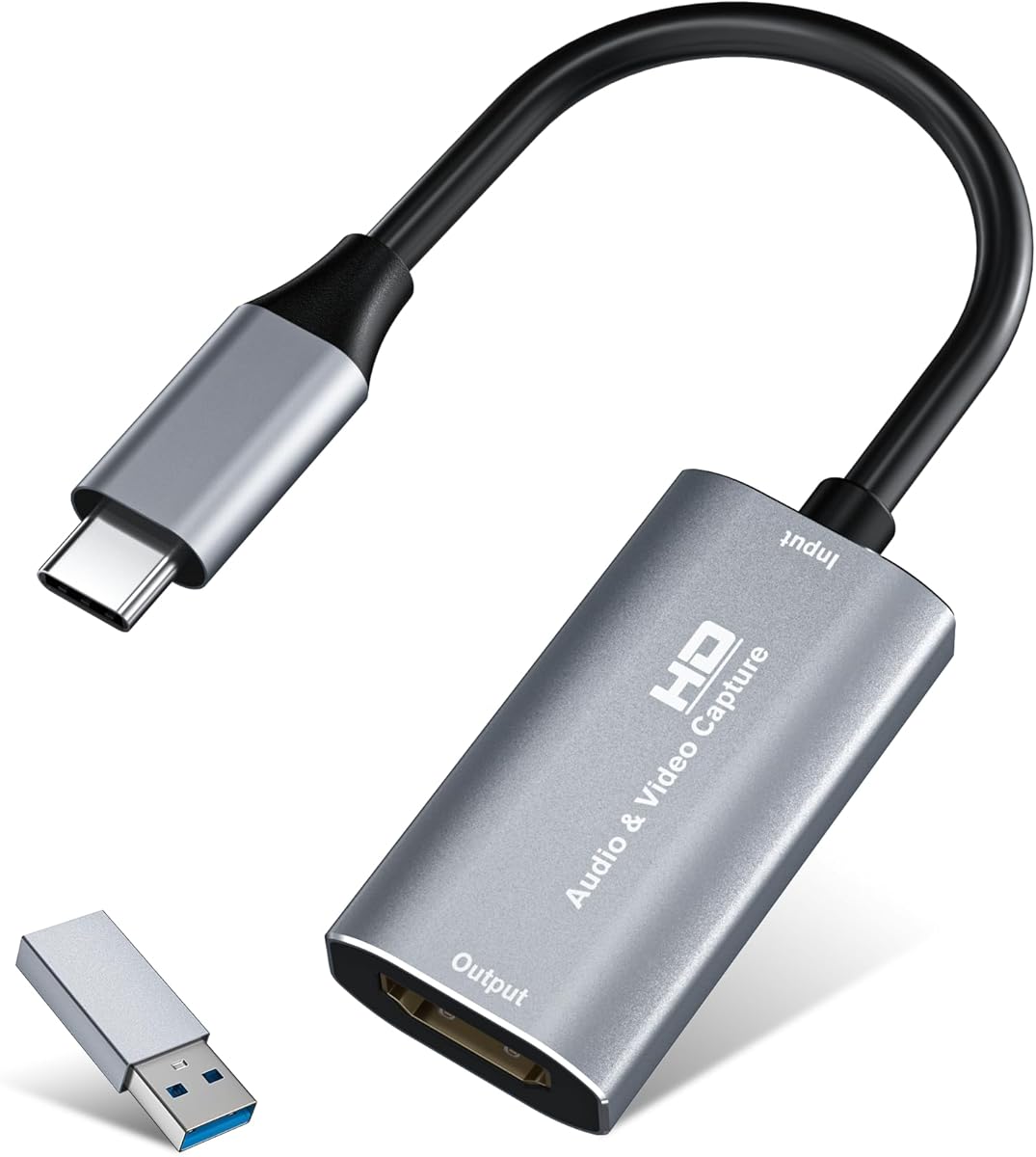


The Elgato Cam Link 4K stands out as a top tier solution for converting DSLR or mirrorless cameras into professional webcams. With a strong rating of 4.6 stars users praise its ability to stream and record in stunning 4K60 or 1080p60 resolutions.
We may earn a commission when you buy through this link, at no additional cost to you.
Its standout quality lies in ultra-low latency ensuring that audio and video remain perfectly synchronized during live broadcasts. This makes it ideal for serious content creators who need razor-sharp detail without introducing delays.
Trade-offs include the higher price compared to budget options and reliance on USB-A ports which may require adapters for newer laptops. However the investment is justified by consistent performance and hardware durability over time.
Buy this if you prioritize image quality and professional results for live streaming or remote presentations. It is the definitive choice for integrating high-end cameras into your computer setup effortlessly.
Connect DSLRs or camcorders directly for broadcast quality visuals unmatched by standard webcams.
Ultra-low latency keeps interactions natural during live Q&A or gaming sessions.
We may earn a commission when you buy through this link, at no additional cost to you.
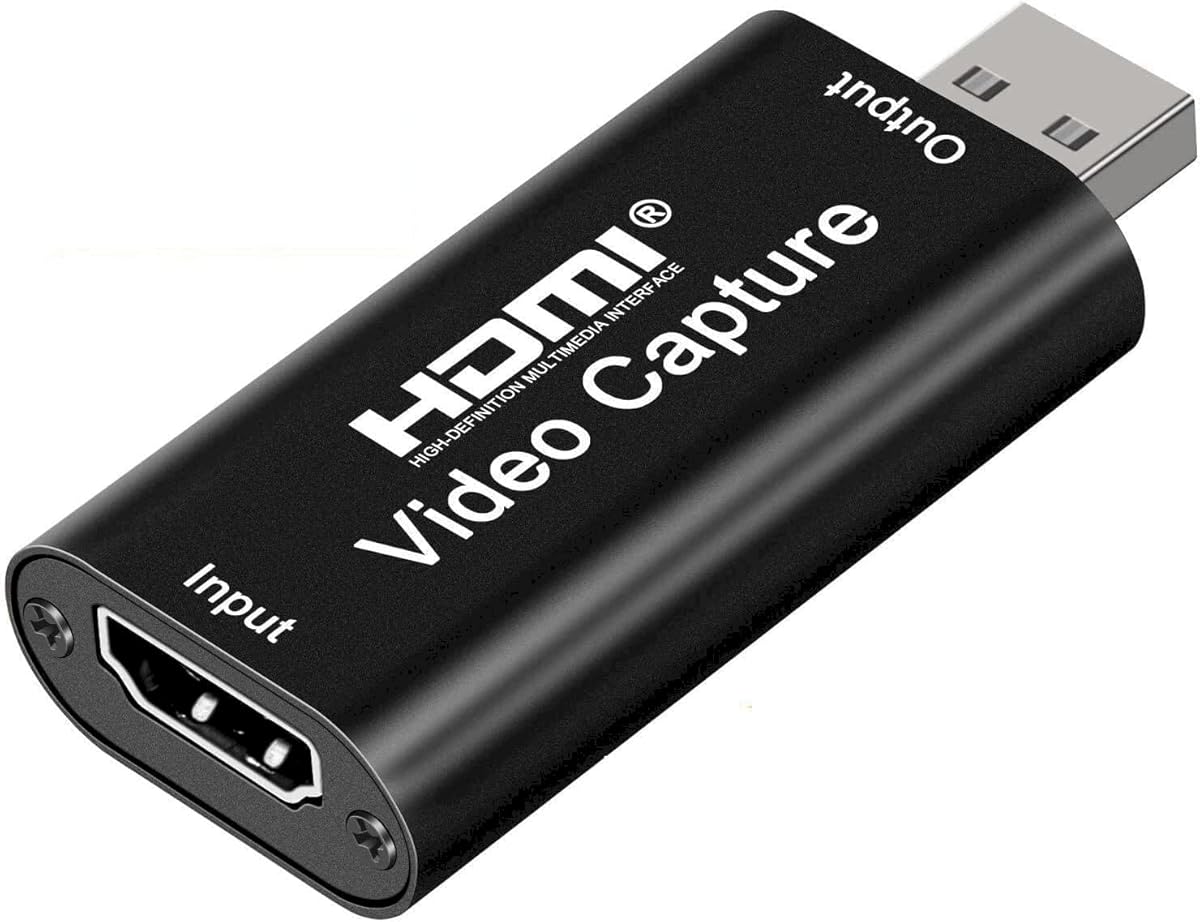
The Audio Express AXHDCAP offers an accessible entry point for users needing basic HDMI to USB capture capabilities. Rated 4.4 stars it delivers 1080P recording with stereo sound at an attractive price point.
We may earn a commission when you buy through this link, at no additional cost to you.
Its primary strength is affordability without sacrificing essential features like real-time preview and broad software support for platforms like OBS and Zoom. Users appreciate the anti-static design and ease of setup.
Notable limitations include USB 2.0 speeds which restrict output to 30Hz and lack of support for laptops without HDMI outputs. These constraints suit static recordings more than high motion streaming but remain acceptable for many.
Choose this device if you need a cost effective solution for video conferencing or classroom recording. It provides reliable performance for general needs without financial strain.
Ideal for students and teachers needing basic capture without expensive hardware.
Works across Windows MacOS and Linux for diverse system setups.
We may earn a commission when you buy through this link, at no additional cost to you.
The Magewell USB Capture HDMI Gen 2 is engineered for users who demand robust and stable video capture. With a 4.7 rating it supports 1080p60 recording with advanced FPGA processing to reduce CPU load.
We may earn a commission when you buy through this link, at no additional cost to you.
Its standout features include thermal protection and a design built for 24/7 operation making it suitable for continuous streaming or broadcasting. The utility software allows deep control over settings and diagnostics.
Trade-offs involve a premium price and single channel input which limits flexibility for multi-source setups. However the durability and performance consistency justify the cost for professional environments.
Invest in this unit if you require enterprise grade reliability for business streaming or educational broadcasting. It delivers stable performance over long durations without overheating.
On-device processing handles scaling and color conversion to free your CPU.
Built for round-the-clock operation with thermal protection and warranties.
We may earn a commission when you buy through this link, at no additional cost to you.
The Guermok Video Capture Card delivers smooth 1080P 60FPS output ideal for gaming and live streaming. Users rate it highly for its ability to avoid blue screens and lag during extended use.
We may earn a commission when you buy through this link, at no additional cost to you.
Key strengths include the aluminum alloy casing which dissipates heat effectively and supports for both USB and Type-C ports. This ensures compatibility with modern laptops and consoles alike.
Minor issues like needing a restart for audio in OBS or one-way signal transmission are acceptable trade-offs for the price. It offers excellent value for those seeking 60FPS performance.
Select this card if you need reliable performance for casual gaming or teaching without overspending. Its portability makes it a great travel companion for streamers.
Delivers fluid visuals with 60FPS capture to reduce motion blur.
Supports USB-A and Type-C for flexible connection options.
We may earn a commission when you buy through this link, at no additional cost to you.
The UGREEN 2K Capture Card provides balanced performance with 4K input preservation and 2K output for editing. It receives praise for its 5 Gbps data speed and robust aluminum alloy construction.
We may earn a commission when you buy through this link, at no additional cost to you.
Its strengths include backward compatibility with USB 2.0 and support for major platforms like Twitch and YouTube. The dual USB ports ensure compatibility with phones and laptops.
Trade-offs involve ensuring source devices support 2K resolution and updating iPadOS to version 17 for USB-C compatibility. These minor steps ensure optimal performance for most users.
Buy this if you prioritize video quality for editing and streaming. It offers a strong blend of durability and technical performance.
Captures 4K sources to maintain original detail for editing.
Aluminum casing shields against interference for stable signals.
We may earn a commission when you buy through this link, at no additional cost to you.
The acer Video Capture Card offers wide compatibility with consoles and devices like Oculus Quest. It supports 1080P 60FPS streaming with a 5Gbps USB 3.0 interface.
We may earn a commission when you buy through this link, at no additional cost to you.
Strengths include the 2-in-1 interface design and lightweight construction making it easy to carry. Users appreciate the lack of driver requirements and reliable heat dissipation.
Limitations include the need for a USB 3.0 port for best results and one-way transmission constraints. These do not affect standard use cases for most streamers.
Choose this card for broad device support and ease of setup. It is ideal for gaming and recording across multiple platforms.
Works with PS5, Switch, and VR devices easily.
Aluminum casing prevents overheating during long sessions.
We may earn a commission when you buy through this link, at no additional cost to you.
This Generic Capture Card stands out with microphone input allowing commentary without extra adapters. It supports 1080P capture and includes HDMI loop-out for real-time monitoring.
We may earn a commission when you buy through this link, at no additional cost to you.
Strengths include auto detection as a webcam and compatibility with major streaming platforms like Twitch and YouTube. The loop-out feature is useful for watching gameplay while streaming.
Trade-offs involve requiring a 3.5mm mic and output limits to 2K30Hz. These are minor constraints for users prioritizing easy commentary integration.
Buy this if you stream games with voice commentary directly. It simplifies setup by integrating audio input.
Add voice commentary directly via 3.5mm headset support.
HDMI loop-out allows zero latency preview during games.
We may earn a commission when you buy through this link, at no additional cost to you.
The Generic USB3.0 Card is designed for portable use with its lightweight and compact form factor. It supports 2K recording and dual-channel audio for quality streams.
We may earn a commission when you buy through this link, at no additional cost to you.
Strengths include stable heat dissipation and compatibility with Windows, macOS, and Android. Users value the plug-and-play simplicity for travel setups.
Trade-offs include enabling OTG on tablets and verifying HDMI sources before connection. These steps ensure reliable operation in diverse environments.
Choose this card for mobile streaming needs. It fits easily in bags without sacrificing quality.
Compact size allows easy transport for outdoor streams.
Dual-channel audio ensures clear sound recording.
We may earn a commission when you buy through this link, at no additional cost to you.
The acer USB 3.0 Card delivers richer color through YUY2 technology which outperforms MJPEG. It includes HDMI loop-out and mic-in for versatile streaming.
We may earn a commission when you buy through this link, at no additional cost to you.
Strengths include plug and play simplicity and wide compatibility with platforms like Twitch and YouTube. Users praise its ability to keep voice synced with video.
Trade-offs may involve format options and ensuring correct driver installation on older systems. Overall it offers great value for color fidelity.
Select this if color accuracy is a priority for your streams. It balances performance with ease of use.
YUY2 tech provides more lifelike visuals than MJPEG.
Mic-in and loop-out support various streaming setups.
We may earn a commission when you buy through this link, at no additional cost to you.
The UGREEN 4K Loop Out card supports HDMI loop-out for instant zero-latency monitoring. It captures up to 2K30FPS and includes both USB-A and Type-C ports.
We may earn a commission when you buy through this link, at no additional cost to you.
Strengths include robust aluminum casing and flexible video format support. Users appreciate the ability to preview local feeds without lag.
Trade-offs include no 4K capture capability and incompatibility with Fire TV Stick. These are acceptable for general streaming and recording needs.
Buy this if local monitoring is critical for your workflow. It delivers stable performance for most devices.
HDMI loop-out enables zero latency previews.
USB-A and Type-C support various host devices.
We may earn a commission when you buy through this link, at no additional cost to you.
Selecting the right capture device depends on your specific streaming or recording needs and existing hardware setup.
Ensure the device supports your desired output resolution such as 1080P at 60FPS for smooth gaming streams. Some budget models may cap at 30Hz or limit input to 4K without capturing it. Verify both input and output specs match your source device capabilities.
Prioritize 60FPS capture for fast motion content to avoid motion blur.
USB 3.0 provides sufficient bandwidth for high definition capture while USB 2.0 may limit quality or frame rates. Always plug into a USB 3.0 port for optimal performance to avoid bottlenecks. Check if your computer has compatible ports before purchasing.
USB 3.0 is essential for 1080P60 or higher capture streams.
Most modern devices work with Windows, macOS, and Linux without drivers but always check specific OS requirements. Some tablets like iPad require version 17 or higher for USB-C support. Ensure your streaming software like OBS recognizes the device automatically.
Confirm OS and software compatibility to avoid driver issues.
Devices with HDMI loop-out allow you to connect a monitor to the capture card for zero latency gameplay preview. This is critical for competitive gaming or teaching where you need to see the source without delay. Not all models include this port so check specifications carefully.
Choose loop-out if monitoring the source feed is necessary.
Aluminum alloy casings help dissipate heat during long sessions preventing thermal throttling or shutdowns. Lightweight portable designs are useful for travel but ensure the material feels sturdy. Poor heat management can lead to signal loss over extended use.
Select metal casings for durability and thermal protection.
Look for devices that support dual channel audio and optionally include a microphone input for commentary. Some cards capture audio from HDMI but others require separate mic inputs for voice. Ensure the device handles audio sync correctly without needing extra software adjustments.
Check audio channels and mic-in support for your streaming needs.
Budget options offer solid performance for casual use while premium models deliver professional stability and processing. Determine if features like 4K input or FPGA processing are necessary for your workflow. Avoid choosing purely on price if reliability matters for business or critical events.
Balance cost against required performance and durability needs.
Certain consoles like PS5 and Xbox require HDCP to be disabled for the capture card to work properly. Check device instructions to turn off HDCP in console settings if signal is rejected. Failure to adjust these settings may prevent video from appearing in software.
Disable HDCP on consoles to ensure signal recognition.
Connect your HDMI source device to the capture card and plug the USB end into your computer to begin. Launch your streaming or recording software and select the capture card as the video source. Verify audio and video are syncing correctly before going live.
Ensure you use high quality HDMI cables to prevent signal loss or flickering during transmission. Periodically restart your software after updating drivers or switching source devices to maintain stability. Keep firmware up to date if the manufacturer provides updates.
Avoid placing the device near sources of heat or covering vents on metal casings to prevent overheating. Store it in a protective case when traveling to avoid physical damage to the ports. Regularly inspect cables for wear to maintain consistent signal quality.
Yes but you must disable HDCP on the console to allow the signal to pass through the capture card. Without disabling this protection the capture software may detect no video signal. Most modern cards support 1080P60 which works well for streaming gameplay.
Most modern capture cards are plug and play and do not require manual driver installation. They should be recognized automatically as a webcam by your operating system and software. However Windows 7 users may need to install USB 3.0 drivers for compatibility.
Lag often occurs when using USB 2.0 ports or high compression formats like MJPEG. Switching to USB 3.0 and selecting YUY2 formats can reduce latency significantly. Ensure your computer has enough CPU power to process the video stream smoothly.
Yes but the iPad must be running iPadOS 17 or higher to support the USB-C capture card protocol. You may also need a compatible adapter depending on the card interface. Check your iPad settings to ensure OTG is enabled for connectivity.
Many devices support 4K input but output is often limited to 1080P or 2K due to USB bandwidth constraints. If 4K capture is required check the specific product specs for 4K60 support. Budget models typically cap at 1080P for performance.
No most capture devices draw sufficient power directly from the USB port without needing extra adapters. Ensure your computer USB port provides enough power especially when using multiple peripherals. High-end units may require bus power or adapters for stability.
Popular software like OBS Studio and Twitch Studio work seamlessly with most capture devices out of the box. You can also use Potplayer or VLC for local recording without streaming. Ensure your chosen software recognizes the device as a video input.
This roundup covers diverse options ranging from the affordable Audio Express AXHDCAP to the professional Magewell USB Capture HDMI Gen 2. Each device offers unique strengths in resolution, latency, or portability suited for different user needs.
Prioritize resolution frame rates and USB speed based on your streaming goals to avoid future hardware limitations. For casual use budget models work well but professionals should invest in units with better processing and durability.
Prices and availability fluctuate so always check current listings and customer reviews before buying. Verify your existing cables and ports match the device requirements to ensure a smooth setup experience.