
ASUS Dual Radeon RX 9060 XT 16GB GDDR6
4.7Editor score
Axial-tech fans for airflow
2.5-slot design for cases
Dual BIOS switch included
This expert guide compares the top ten graphics cards for ray tracing in 2026. Find the right GPU for your budget and performance needs today.
Choosing the right graphics card for ray tracing is essential for immersive gaming. Modern GPUs deliver realistic lighting and reflections. You need powerful hardware to enable these features smoothly.
We compared ten top models based on architecture and cooling. Each card offers unique strengths for different players. Our analysis focuses on performance and value.
Each pick shows key specs and real-world performance. We highlight strengths and trade-offs for clarity. Prices and availability change frequently so check links.
4.7Editor score

4.6Editor score

4.8Editor score
The following table compares all ten products side by side. It highlights core specifications and design features. Use this overview to find the card that matches your system requirements.


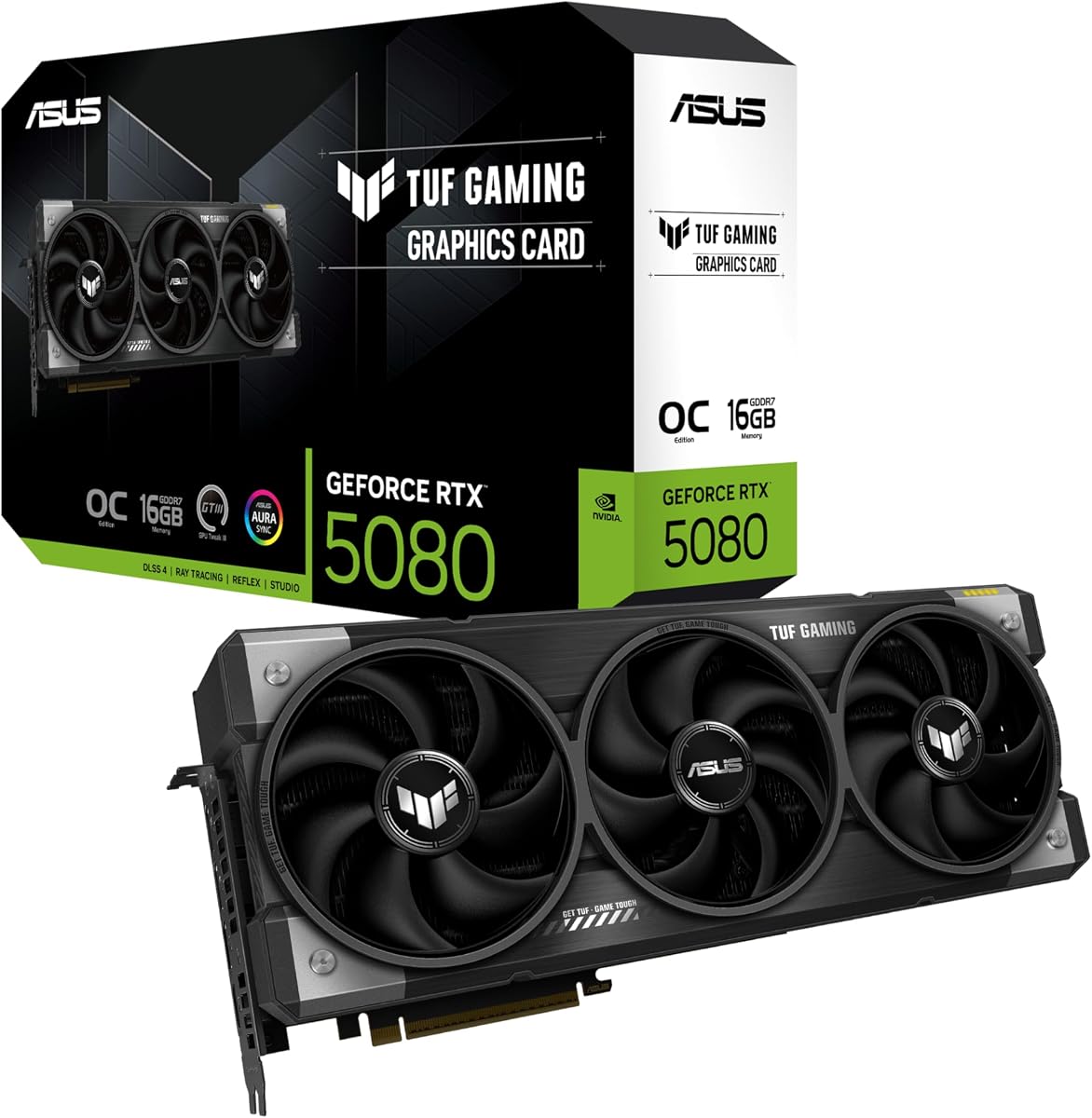


This graphics card represents the pinnacle of current generation technology. It is powered by the NVIDIA Blackwell architecture. This allows for unprecedented lighting effects in games.
We may earn a commission when you buy through this link, at no additional cost to you.
The 16GB GDDR7 memory ensures smooth performance at high resolutions. DLSS 4 further enhances frame rates. The WINDFORCE cooling system maintains low temperatures under load.
Trade-offs include significant power requirements and physical dimensions. You will need a spacious case and high wattage PSU. These are acceptable for the performance gains.
Enthusiasts seeking the best visual fidelity should buy this card. It is ideal for 4K gaming with ray tracing enabled. This is our top recommendation for premium users.
Blackwell architecture brings next gen real time rendering. Complex scenes render smoothly with realistic reflections and shadows.
GDDR7 memory provides faster data transfer speeds. This reduces bottlenecks during texture heavy gaming sessions.
We may earn a commission when you buy through this link, at no additional cost to you.
This card offers compelling performance for its tier. It leverages the latest Radeon RX 9070 XT GPU. You get solid frame rates in modern titles.
We may earn a commission when you buy through this link, at no additional cost to you.
The WINDFORCE system with Hawk Fan keeps noise low. RGB lighting adds aesthetic appeal to your build. It delivers consistent performance during long sessions.
Ray tracing is good but may lag behind NVIDIA options. Drivers are improving but still catch up sometimes. Most users will not notice minor gaps.
Gamers wanting strong 1440p performance should consider this. It balances cost and capability well. A great choice for budget conscious builders.
Server-grade thermal conductive gel improves heat transfer. This ensures the GPU stays cool under pressure.
RGB lighting allows sync with other components. You can personalize your rig easily via software.
We may earn a commission when you buy through this link, at no additional cost to you.
This model is built for durability and performance. It features Axial-tech fans with a barrier ring. The design increases air pressure for better cooling.
We may earn a commission when you buy through this link, at no additional cost to you.
Phase-change thermal pads ensure optimal heat transfer. This lowers temperatures significantly compared to standard paste. You get reliable operation under heavy loads.
It is larger than some competitors and costs more. Case clearance must be checked before buying. These are trade-offs for premium components.
Users seeking reliability and quiet operation will appreciate this. It suits systems needing low noise levels. A smart pick for long term use.
Smaller fan hub facilitates longer blades. This maximizes static pressure inside your system.
Toggle between Quiet and Performance modes easily. Adapt to your current usage scenario instantly.
We may earn a commission when you buy through this link, at no additional cost to you.
This card is designed for extreme longevity. Military-grade components deliver rock-solid power delivery. It supports DLSS 4 and advanced rendering.
We may earn a commission when you buy through this link, at no additional cost to you.
Phase-change thermal pads outlast traditional paste. This ensures stable performance over years. Protective coating guards against moisture and debris.
It demands significant power and clearance. Ensure your PSU and case fit before purchase. These requirements are typical for this class.
Power users needing top tier stability should choose this. It handles heavy loads effortlessly. A strong investment for serious gamers.
Military-grade parts extend operational lifespan. You get years of reliable performance.
Massive fin array optimizes airflow efficiently. Heat is dissipated quickly even in tight spaces.
We may earn a commission when you buy through this link, at no additional cost to you.
This card fits smaller builds perfectly. It offers 16GB GDDR7 memory at a reasonable cost. AI performance is boosted for modern workloads.
We may earn a commission when you buy through this link, at no additional cost to you.
Axial-tech fans provide quiet operation in silent modes. 0dB technology stops fans at idle. You get comfort without sacrificing performance.
It lacks the raw power of high-end models. But for 1440p it performs admirably. The trade-off is acceptable for the price.
Gamers with limited space should buy this option. It is efficient and reliable for daily use. A top pick for small form factor PCs.
2.5-slot design maximizes case compatibility. Fits easily in tight or custom cases.
High AI TOPS rating accelerates tasks. Useful for productivity and generative tools.
We may earn a commission when you buy through this link, at no additional cost to you.
This model is built for 1440p dominance. Military-grade components ensure durability over time. Phase-change pads keep thermals optimal under stress.
We may earn a commission when you buy through this link, at no additional cost to you.
ASUS GPU Guard reduces cracking risks during install. The bracket secures mounting safely. You get peace of mind with every setup.
12GB memory is enough for most titles but may struggle with ultra textures. Most users won't notice this limitation. Performance remains solid for its tier.
Gamers wanting balanced performance should choose this. It offers great value in the TUF line. A reliable choice for daily gaming.
GPU bracket and Guard prevent cracks. Mounting becomes safer and more secure.
Auto-Extreme processes ensure high reliability. Components are built with strict quality control.
We may earn a commission when you buy through this link, at no additional cost to you.
This is the most accessible option on our list. It offers solid performance for the price. Great for entry level enthusiasts or casual players.
We may earn a commission when you buy through this link, at no additional cost to you.
Axial-tech fans ensure cooling without noise. 0dB tech stops fans when idle. You can enjoy light gaming in relative silence.
It lacks the power of newer high-end cards. Ray tracing is limited compared to rivals. These trade-offs make it a budget pick.
Gamers on tight budgets should buy this card. It delivers the essentials without overspending. A great entry into modern gaming.
Balanced price and performance ratio. Perfect for building a PC on a budget.
0dB technology minimizes noise. Ideal for quiet living spaces.
We may earn a commission when you buy through this link, at no additional cost to you.
This card leads in premium performance. It uses Blackwell architecture for top tier graphics. 16GB GDDR7 ensures smooth high-res gaming.
We may earn a commission when you buy through this link, at no additional cost to you.
Phase-change pads guarantee optimal thermal performance. Military-grade components add reliability. You get a card that lasts for years.
The cost is high compared to other models. Size also demands room clearance. These are minor issues for top tier users.
Enthusiasts wanting premium features should buy this. It is our top pick for high-end builds. A future-proof investment for serious gaming.
Blackwell architecture delivers stunning visuals. Realistic lighting elevates your gameplay.
Military-grade parts ensure stability. Long-term performance is guaranteed.
We may earn a commission when you buy through this link, at no additional cost to you.
This card offers efficient performance for 1440p. It features Blackwell architecture and PCIe 5.0. WINDFORCE cooling keeps it quiet.
We may earn a commission when you buy through this link, at no additional cost to you.
It balances speed and cost effectively. Most games run smoothly at high settings. You get solid performance without breaking the bank.
VRAM may limit ultra 4K gaming. But for mainstream use it is sufficient. A practical choice for most users.
Gamers wanting efficiency should buy this option. It is reliable and performant. A strong contender in its category.
WINDFORCE system ensures stable temps. You get quiet and cool performance.
Supports latest bus standards. Ensures compatibility with new systems.
We may earn a commission when you buy through this link, at no additional cost to you.
This card is compact yet powerful. It supports DLSS 3 for high frame rates. IceStorm 2.0 keeps it cool efficiently.
We may earn a commission when you buy through this link, at no additional cost to you.
RGB lighting adds customization. It fits well in smaller cases. You get excellent performance without bulk.
Architecture is older compared to Blackwell. PCIe 4.0 is standard for now. These are acceptable trade-offs for the size.
Gamers with space limits should buy this. It delivers strong performance in a small form. A great pick for compact builds.
Compact Twin Edge design saves room. Ideal for small form factor cases.
DLSS 3 increases frame rates significantly. Smooth gameplay without hardware upgrades.
We may earn a commission when you buy through this link, at no additional cost to you.
Selecting the right graphics card involves several key factors. This guide walks you through critical considerations. Use it to find the perfect match for your needs.
The underlying architecture dictates how well a card handles complex lighting. Modern architectures like Blackwell and Ada Lovelace offer dedicated ray tracing cores. Look for newer models if you want best-in-class performance in demanding titles.
Focus on core clock speeds and ray accelerator counts to ensure smooth gameplay.
Ray tracing requires extra memory for texture and buffer data. 12GB is the current minimum for high settings but 16GB is safer for future titles. GDDR7 memory offers faster bandwidth than older GDDR6X or GDDR6 types.
Prioritize at least 16GB of GDDR7 memory for long-term stability.
High performance cards draw significant power. Ensure your PSU matches the minimum wattage specified by the manufacturer. Some models require specific connectors like 12VHPWR so verify compatibility before buying.
Check your PSU wattage and connector types to avoid system instability.
Thermal management is vital to maintain performance. Cards with large fin arrays and quality fans stay cooler under load. Look for features like phase-change thermal pads or robust heat pipes for better efficiency.
Select models with proven cooling solutions to prevent thermal throttling.
Ray tracing cards are often large. Measure your case clearance to ensure the GPU fits without blocking other components. Some models have three or four slots so verify spacing.
Verify case dimensions and slot clearance before purchasing to ensure a proper fit.
Modern cards come with upscaling tools like DLSS or FSR. These features help maintain frame rates while using ray tracing. Software suites for monitoring also add convenience for tuning performance.
Check for DLSS 4 or FSR support to maximize visual quality.
Reliable brands offer better support and build quality. Look for warranties that cover component failure. Models with military-grade components often promise longer lifespans for daily use.
Choose established brands with solid warranty terms for peace of mind.
Prices vary based on performance tiers. Define your spending limit early. Consider mid-range options if 4K is not a priority as they offer better value for 1440p users.
Match the card to your budget while prioritizing essential features.
Install the card securely and connect power cables properly. Ensure the PCIe slot is locked and the bracket aligns with your case. Use software to update drivers for optimal compatibility.
Keep the system clean from dust buildup to maintain airflow. Monitor temperatures regularly and adjust fan curves if needed. Use GPU tuning tools to maintain safe clock speeds.
Avoid overclocking beyond safe limits to extend lifespan. Regularly check for BIOS updates from the manufacturer. Proper care ensures consistent performance over years.
No. Modern architectures have dedicated hardware for ray tracing. NVIDIA RTX and AMD RDNA cards support it best. Older models may struggle or lack support entirely.
While 12GB works for most games 16GB future proofs your build. High resolutions demand more memory for textures. It prevents performance drops in demanding titles.
DLSS uses AI to upscale images. This allows higher settings without sacrificing frame rates. It is essential for smooth gameplay in modern titles.
Most require at least 750W but high-end models need 850W+. Check manufacturer specs for wattage and connector type. Upgrading your PSU may be necessary.
Some models are compact but many are large. Check dimensions carefully before buying. Dual-slot designs are better for tight spaces.
Ensure your board supports PCIe 4.0 or 5.0. Most cards are backward compatible but newer slots offer better speeds. Check BIOS for GPU initialization settings.
We reviewed ten top cards balancing performance and features. Each model offers unique strengths for different needs. Choose based on your resolution and budget.
Prioritize cooling and memory for long-term satisfaction. Ray tracing demands efficiency and reliability. A proper fit ensures stable operation.
Prices and availability fluctuate often. Check current deals before purchasing to get the best value. Ensure compatibility with your current system components.