
acer USB 3.0 HDMI Capture Card
4.4Editor score
Plug and play setup
Low latency streaming
Mic-in for commentary
This guide compares the top capture cards for Linux systems, evaluating compatibility, performance, latency, and features to help you choose the best device
Finding a reliable capture card for Linux can be challenging due to driver limitations and hardware constraints. This guide explores the most compatible options available today for streamers and content creators.
We analyzed technical specifications, user feedback, and Linux kernel support to rank these products. Our focus remains on plug-and-play functionality, video quality, and seamless integration with open-source software.
Each pick highlights key strengths and potential trade-offs for Linux users. Please note that product availability and pricing may vary over time, so verify current details before purchasing.
4.4Editor score

4.4Editor score

4.2Editor score
The following table provides a side-by-side comparison of all ten ranked products. It highlights critical specifications such as resolution support, interface types, and specific Linux compatibility notes to aid your decision-making process.





This UGREEN capture card stands out as the top choice for Linux users seeking reliable performance without complex driver installations. It delivers crisp video quality with a sturdy build that ensures stability during long streaming sessions.
We may earn a commission when you buy through this link, at no additional cost to you.
The card supports 4K input at 30Hz and outputs up to 2K at 30Hz or 1080P at 60Hz, providing flexibility for various streaming needs. Its dual USB-A and USB-C interfaces make it versatile for different computer setups.
While it does not capture 4K at 60Hz, the low latency and loop-out feature allow for real-time monitoring without impacting gameplay. Users should remember to disable HDCP on consoles to ensure compatibility.
For Linux streamers who prioritize plug-and-play functionality and hardware durability, this card offers the best balance of features and performance available in its price range today.
The device works directly with Linux systems using standard UVC protocols, eliminating the need for proprietary drivers that often cause issues on open-source platforms.
Its aluminum casing not only looks professional but also helps dissipate heat effectively, preventing thermal throttling during extended use in demanding environments.
We may earn a commission when you buy through this link, at no additional cost to you.
The acer capture card offers an incredibly accessible entry point for Linux users looking to start streaming without breaking the bank. It handles 1080P at 60Hz smoothly and includes a loop-out for monitoring.
We may earn a commission when you buy through this link, at no additional cost to you.
Its YUY2 technology provides richer colors compared to standard MJPEG, ensuring your footage looks vibrant. The built-in microphone input simplifies setup by allowing direct headset connection without extra adapters.
Although it lacks explicit Linux marketing, the USB 3.0 interface and standard UVC compliance suggest compatibility with most modern Linux distributions. However, the build is more basic than premium alternatives.
If you need a cost-effective solution for casual streaming or online classes on Linux, this card delivers solid performance and essential features at a price few others can match.
Using YUY2 technology instead of MJPEG results in better color fidelity, which is particularly noticeable when streaming content with rich visual details.
The dedicated mic-in port allows you to add voice commentary directly, removing the need for separate audio interfaces or complex mixing setups.
We may earn a commission when you buy through this link, at no additional cost to you.
The AVerMedia Live Gamer Ultra S represents the pinnacle of capture technology available today. It captures 4K at 60Hz with HDR and VRR passthrough, making it ideal for high-end setups on Linux.
We may earn a commission when you buy through this link, at no additional cost to you.
Its USB 3.2 Gen 1 connection ensures fast data transfer rates necessary for high-resolution video. The ability to capture 5.1-channel audio adds significant value for immersive gaming content.
While the price is steep, the performance justifies the investment for serious creators. Linux compatibility is strong, though the full feature set is best realized with AVerMedia's proprietary software tools.
For professionals who demand the absolute best video quality and advanced features like VRR recording, this card is unmatched in performance despite the higher cost.
VRR passthrough allows for variable refresh rate gaming without tearing, ensuring smooth visuals during capture sessions on high refresh rate monitors.
Capturing 5.1-channel audio provides a richer soundscape for viewers, preserving the immersive audio experience of modern gaming titles.
We may earn a commission when you buy through this link, at no additional cost to you.
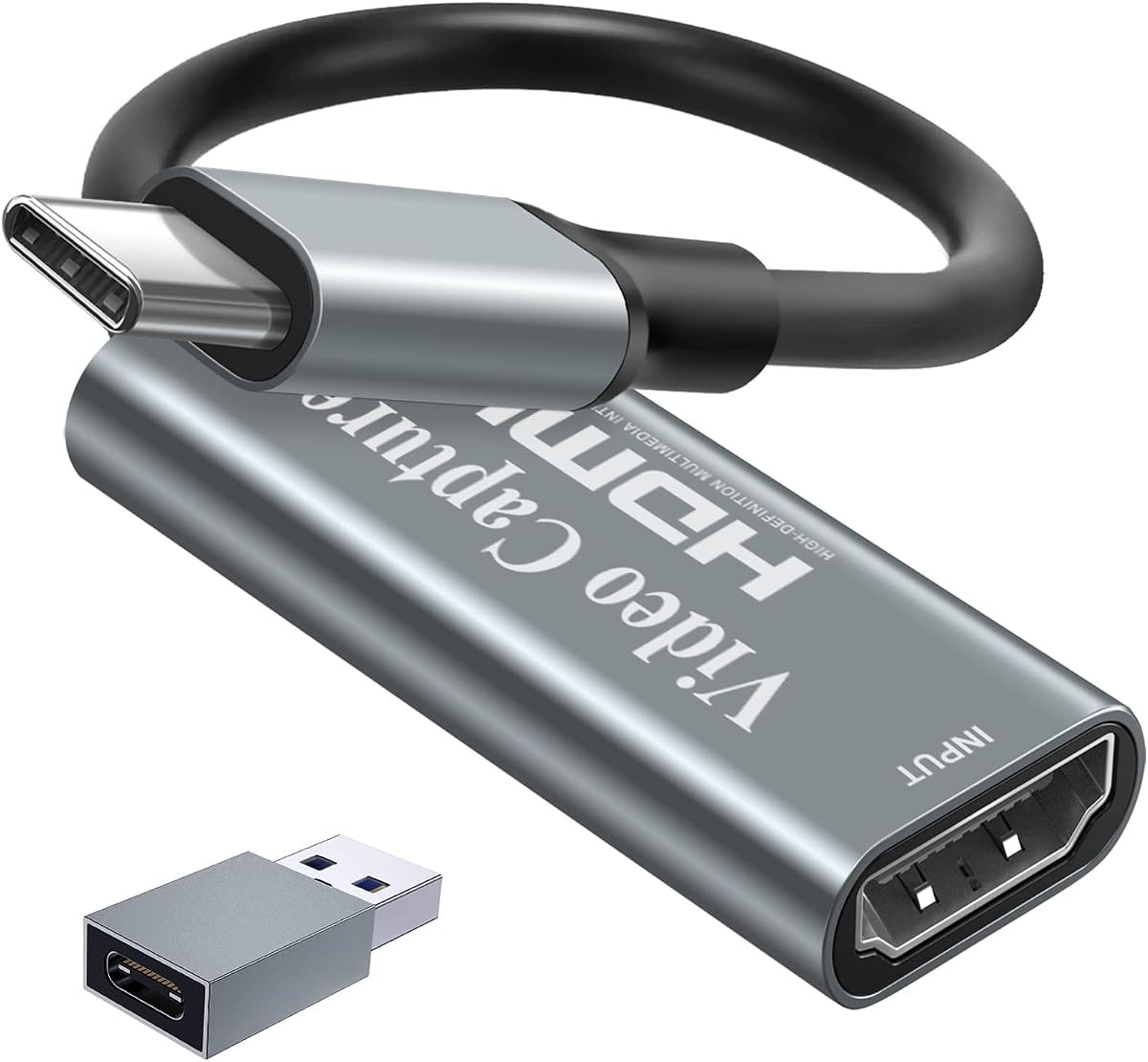
Guermok positions this capture card as a versatile tool for content creators on Linux. It offers 2K 30FPS output and includes both USB-C and USB-A interfaces for broader device compatibility.
We may earn a commission when you buy through this link, at no additional cost to you.
The aluminum alloy casing helps with heat dissipation during prolonged use. Users should note that restarting OBS may be necessary after audio setup to ensure sound output works correctly.
If the device is recognized as USB 2.0, flipping the adapter may resolve bandwidth issues. This card provides a solid balance of features without the premium price tag of top-tier models.
Linux users looking for reliable USB-C connectivity and confirmed system support will find this card a strong contender for daily streaming tasks.
The inclusion of a USB-C interface allows direct connection to modern laptops and tablets, expanding potential use cases beyond traditional desktop setups.
The aluminum alloy construction ensures that the device stays cool even during long streaming sessions, maintaining consistent performance without overheating.
We may earn a commission when you buy through this link, at no additional cost to you.
The Newhope capture card provides a straightforward solution for Linux users needing basic streaming capabilities. It captures 1080P at 60FPS with low latency and includes a 4K pass-through for monitoring.
We may earn a commission when you buy through this link, at no additional cost to you.
Its plug-and-play design means no drivers are required, making setup quick for anyone using OBS or similar software. The mic-in feature allows for easy commentary integration without extra hardware.
While it lacks some advanced features found in premium models, it delivers consistent performance for everyday streaming. Linux compatibility is confirmed, ensuring it works with standard distributions.
For budget-conscious users who need a reliable capture card for occasional streaming on Linux, this model offers sufficient quality and essential features.
With no driver installation needed, users can start capturing video immediately after connecting the device, saving time and technical effort.
The 1080P 60FPS output ensures smooth motion in captured footage, which is crucial for gaming content where fluidity matters.
We may earn a commission when you buy through this link, at no additional cost to you.
This generic capture card is designed with creators who travel often in mind. It maintains 1080P at 60FPS output with low latency and fits easily into a backpack for on-the-go streaming.
We may earn a commission when you buy through this link, at no additional cost to you.
Its compatibility with major streaming software like OBS and Streamlabs simplifies workflow. The compact design does not compromise quality, delivering vibrant and crisp footage for YouTube or Twitch.
Linux users will find it works seamlessly with standard drivers, ensuring hassle-free operation. However, it lacks some advanced features found in more specialized hardware.
For creators who need a portable and reliable capture solution for Linux, this card strikes a good balance between mobility and performance.
The compact and lightweight build ensures that you can carry your streaming gear effortlessly without adding significant bulk to your travel bag.
Support for popular streaming platforms means you can broadcast directly to your audience without needing complex configuration or additional middleware.
We may earn a commission when you buy through this link, at no additional cost to you.
UGREEN's second offering provides dual USB interfaces to maximize compatibility across different devices. It outputs up to 2K at 30FPS and supports Linux systems with stable performance.
We may earn a commission when you buy through this link, at no additional cost to you.
The USB 3.0 technology ensures fast data transfer speeds, which is vital for reducing latency during streaming. Its aluminum alloy casing provides durability and effective heat management during use.
While 2K output is limited to 30FPS, the balance between clarity and compatibility makes it suitable for most casual and professional streaming scenarios. Ensure HDCP is disabled for console inputs.
This card is ideal for users who need flexible connectivity options and reliable performance on Linux systems without investing in high-end hardware.
With high-speed USB 3.0 technology, the card ensures optimal data transfer rates, minimizing delays and maintaining smooth video transmission to your computer.
The durable construction and heat-resistant materials ensure that the device withstands daily wear and tear, providing long-term reliability for your setup.
We may earn a commission when you buy through this link, at no additional cost to you.
This capture card handles 4K input while outputting 1080P at 60FPS, making it a robust option for various streaming needs. It includes both microphone and headphone ports for real-time audio monitoring.
We may earn a commission when you buy through this link, at no additional cost to you.
Linux systems recognize it instantly without drivers, ensuring a smooth setup experience. The wide compatibility range supports gaming consoles, cameras, and other HDMI devices effortlessly.
While the output resolution is capped at 2K, the input capability preserves original quality for post-production editing. Users benefit from a comprehensive package including necessary cables and manual.
For those seeking a versatile capture solution with reliable Linux support and good audio features, this card offers strong overall value and performance.
The inclusion of both mic input and headphone output allows for precise audio control during recording sessions, ensuring synchronized and high-quality sound.
Supporting 4K input ensures that the original video quality is preserved before conversion, offering better options for editing and final output.
We may earn a commission when you buy through this link, at no additional cost to you.
AVerMedia's StreamLine MINI+ offers professional-grade features in a compact design. It provides 4K60 HDR passthrough and ultra-low latency, ensuring smooth real-time gameplay and streaming.
We may earn a commission when you buy through this link, at no additional cost to you.
The included Streaming Center app simplifies setup, making it accessible for beginners. Linux compatibility is present but less emphasized than on Windows or macOS systems.
With flexible format options like NV12 and YUY2, users can customize workflows for different editing needs. The brand reputation adds confidence to the purchase decision for creators.
For users prioritizing low latency and advanced passthrough features, this card delivers professional results, though Linux users should verify specific driver support before buying.
The ultra-low latency design ensures that there is no lag between gameplay and broadcast, critical for competitive gaming and interactive streaming.
HDR passthrough allows viewers to see the vibrant colors and contrast of HDR content, enhancing the visual experience significantly.
We may earn a commission when you buy through this link, at no additional cost to you.
Papeaso offers one of the most affordable options for users needing basic capture capabilities. It supports 1080P at 60FPS with a USB-C interface that connects directly to modern devices.
We may earn a commission when you buy through this link, at no additional cost to you.
Linux compatibility is confirmed, making it a viable choice for open-source users on a tight budget. The device avoids freezing or delays, ensuring fluid video recording and broadcasting.
While it lacks premium features, it covers essential needs effectively. The package includes a USB-C adapter, ensuring compatibility with various ports and setups out of the box.
If you need a simple, low-cost capture card for Linux that supports USB-C connectivity, this Papeaso model is a practical and efficient choice.
The USB-C interface allows for direct connection to laptops and tablets without needing additional dongles, streamlining the setup process significantly.
Designed to avoid freezing and delays, this card ensures that your recordings and streams are fluid, maintaining viewer engagement without interruptions.
We may earn a commission when you buy through this link, at no additional cost to you.
Choosing a capture card for Linux requires attention to specific compatibility factors. This section outlines key aspects to consider before purchasing to ensure a smooth setup.
The most critical factor is whether the capture card works without proprietary drivers. Most Linux systems rely on the UVC protocol, so devices that are plug-and-play with standard drivers are preferred to avoid kernel compilation issues.
Prioritize brands that explicitly confirm Linux compatibility or use generic chipsets known to work well with open-source operating systems.
Ensure the capture card supports the resolution and frame rate of your source device. While many capture 4K input, output is often capped at 1080P 60Hz for smooth streaming performance on average systems.
Check the output specifications carefully to match your intended streaming quality and processing capabilities of your Linux machine.
Modern laptops often feature USB-C ports, so having a capture card with native USB-C support is beneficial. However, standard USB-A ports remain common, so dual interface options offer flexibility.
Select a model that matches the available ports on your computer to avoid needing extra adapters that can reduce bandwidth or stability.
Low latency is essential for gaming streaming to ensure real-time feedback. A loop-out port allows you to monitor your gameplay without delay, which is crucial for competitive titles.
Look for models marketed with low latency features to maintain synchronization between your actions and the broadcast feed.
Capture cards generate heat during operation, especially during long sessions. Aluminum casings are common in higher-end models and help dissipate heat effectively to prevent thermal throttling.
Invest in a device with robust construction to ensure long-term stability and consistent performance during extended use.
Many streamers need to add voice commentary or mic input. Some capture cards include a 3.5mm mic-in port, which simplifies setup by eliminating the need for separate audio interfaces.
If you plan to stream with commentary, verify that the device supports audio pass-through or has a dedicated microphone input port.
The capture card should work seamlessly with your chosen software like OBS Studio or VLC. Check if specific software requirements are mentioned that might restrict functionality on Linux.
Universal compatibility with major open-source streaming tools ensures you have the freedom to customize your workflow without limitations.
Prices vary significantly between budget and premium models. Determine your required features first, as high-end capabilities like 4K60 HDR may not be necessary for casual streaming needs.
Balance cost against features to find a card that meets your technical requirements without overspending on unnecessary capabilities.
To begin using your capture card on Linux, connect the HDMI input from your console or camera to the capture card and plug the USB end into your computer. Most devices are recognized automatically by the kernel without additional installation steps.
Open your preferred streaming software like OBS Studio and add a Video Capture Device source. Select the capture card from the dropdown menu and configure resolution and frame rate settings to match your source.
Keep the device cool by ensuring adequate airflow around it during use. If using a USB adapter, try to use a high-quality cable that supports USB 3.0 speeds to avoid bandwidth issues affecting video quality.
Most modern capture cards designed for plug-and-play use work without drivers on Linux systems via the UVC protocol. However, some proprietary software may require specific steps if used on Linux distributions that support them.
Ensure the HDMI source is on and the input resolution matches the capture card's supported range. Some consoles require HDCP to be disabled in settings for the capture card to receive an encrypted video signal correctly.
Yes, many USB capture cards work with Raspberry Pi if the system supports UVC drivers. However, processing high-resolution video may require a more powerful Pi model due to computational constraints.
Loop-out allows the video signal to pass through to a monitor while capturing simultaneously. This ensures you can see what you are streaming on your own screen without latency issues.
USB-C offers similar bandwidth to USB 3.0 USB-A but provides better compatibility with modern laptops and tablets. It often supports more versatile setups but requires appropriate ports or adapters for older computers.
You can use terminal commands like lsusb or v4l2-ctl to check connected devices. This helps confirm whether the kernel has correctly identified the capture card before opening streaming software.
Selecting the right capture card for Linux depends on your specific streaming needs and budget. The top picks offer a range of features from budget-friendly plug-and-play options to premium high-performance models.
Prioritize drivers support and low latency to ensure smooth performance. Verify that the card integrates well with your existing setup and chosen streaming software for the best experience.
Always check current pricing and availability before making a final purchase decision. Technology updates frequently, so staying informed ensures you get the most value for your investment.