
ROKINON CINE DS T1.5 Cinema Lens Kit
4.9Editor score
Full Kit Included
Unified Gear Positions
De-Clicked Aperture
This guide compares the top ten cine lenses for filmmakers seeking sharp optics and fast apertures in 2026 for professional video production.
Cine lenses are essential tools for filmmakers who demand precise optical control and cinematic aesthetics. These specialized lenses offer consistent color rendering and smooth manual focus for high-quality video.
We evaluated ten top-rated options based on optical performance, build quality, and compatibility with popular camera mounts. Our analysis focuses on real-world usability and creative flexibility.
Each pick highlights key strengths and trade-offs for different production needs. Prices and availability may change, so check current listings before purchasing your next lens.
4.9Editor score
5.0Editor score

5.0Editor score
Explore this side-by-side comparison of ten standout cine lenses. Each entry includes essential specifications to help you match optics with your specific camera system and production goals.




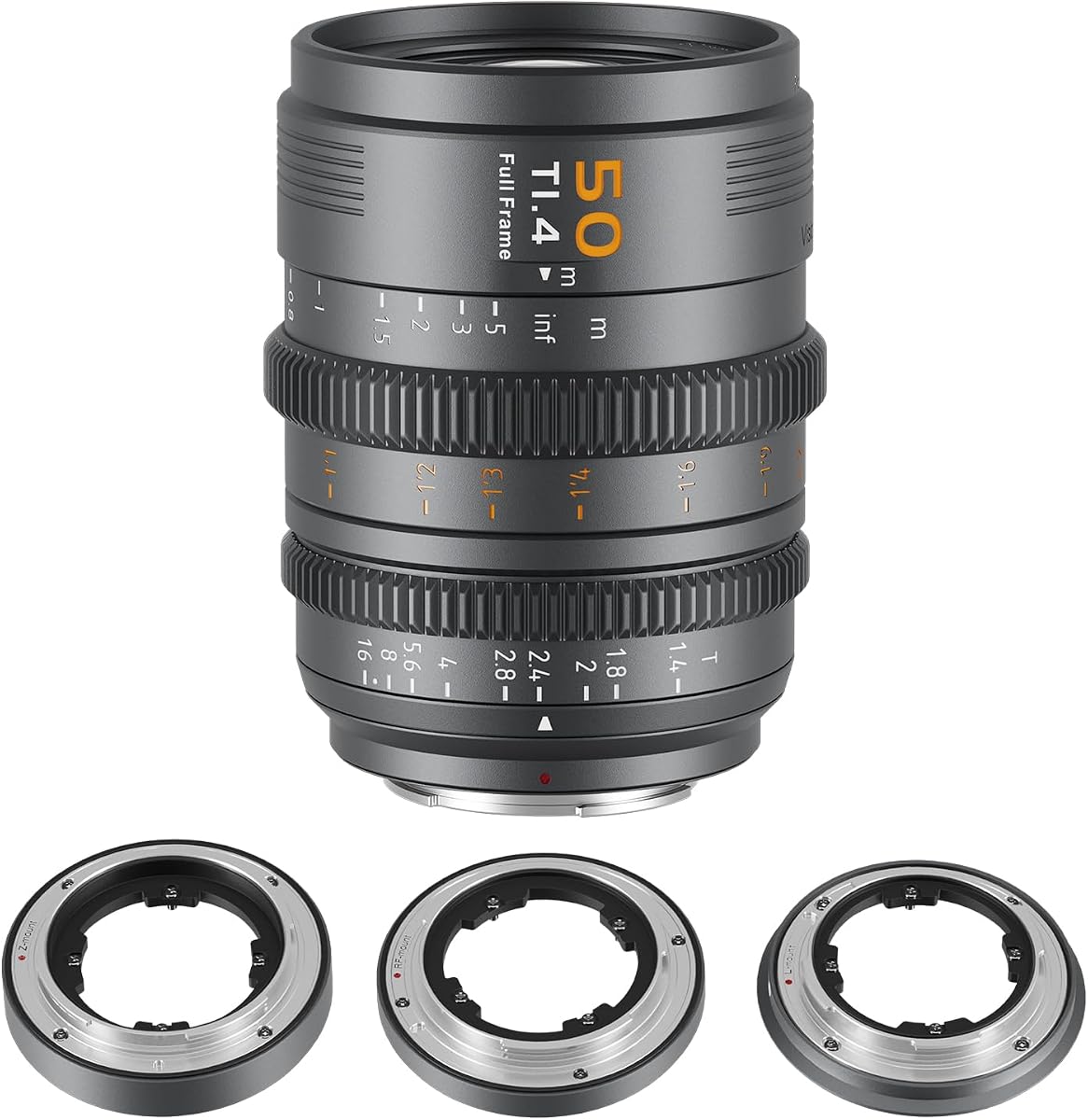
This SIRUI VP-1 Vision Prime 1 50mm T1.4 is a standout full frame cine lens designed for versatile filmmaking. It holds a perfect five-star rating and delivers exceptional optical clarity with advanced ED glass.
We may earn a commission when you buy through this link, at no additional cost to you.
The interchangeable mount system allows you to switch between E, RF, Z, and L mounts effortlessly. This flexibility supports seamless workflow changes between different camera systems without buying multiple lenses.
While it requires manual focus and is priced higher than entry-level options, the precision engineering justifies the cost. The consistent design across the lineup ensures color and gear matching during production.
Ideal for professional shooters needing portability and performance, this lens is a strong recommendation for anyone seeking top-tier optics for storytelling and documentary work.
You can easily swap mounts to adapt the lens to Sony, Canon, Nikon, or Panasonic cameras. This reduces long-term costs and increases compatibility across your gear library.
Engineered with aspherical and HRI glass, the lens minimizes aberrations for sharp high-resolution footage. This makes it suitable for 8K productions where edge quality matters.
We may earn a commission when you buy through this link, at no additional cost to you.
This ROKINON CINE DS T1.5 Cinema Lens Kit offers a complete set of four lenses for Canon EF cameras. It is an excellent value for filmmakers who need a range of focal lengths without buying separately.
We may earn a commission when you buy through this link, at no additional cost to you.
All lenses feature de-clicked aperture rings and unified gear positions for easy rigging. The T1.5 aperture provides excellent low-light performance and smooth background separation.
The main trade-off is that it is limited to Canon EF mount and manual operation. However, the optical quality and consistency across the kit make it a solid choice for many productions.
If you need a versatile kit for the shoot on a budget, this Rokinon set is highly recommended for its reliable performance and creative potential.
Each lens shares the same gear and aperture positions. This consistency simplifies setup and makes switching lenses on a rig quick and seamless during shoots.
With 24mm, 35mm, 50mm, and 85mm options, you cover wide to telephoto needs. This allows you to capture everything from landscapes to tight portraits in one kit.
We may earn a commission when you buy through this link, at no additional cost to you.
This DZOFILM Pictor 50-125mm T2.8 is a premium parfocal zoom lens for professional cinema production. It holds a perfect five-star rating and is designed to keep focus constant across its zoom range.
We may earn a commission when you buy through this link, at no additional cost to you.
The parfocal design ensures the subject stays sharp while zooming. Combined with minimal focus breathing, this lens delivers clean motion shots and precise framing adjustments.
While it is heavier and more expensive than prime options, the optical performance is top-tier. The 16-slat iris creates excellent bokeh and smooth exposure transitions.
If you need a reliable zoom lens for professional shoots, this DZOFILM option is a powerful choice for its consistent performance and cinematic features.
Zooming does not shift focus, allowing smooth pulls without refocusing. This is essential for documentary and narrative work where precise focus is critical.
The lens is built for daily use and integrates with standard accessories. The 16-slat iris helps maintain consistent lighting during variable conditions.
We may earn a commission when you buy through this link, at no additional cost to you.
This Rokinon Cine DS DS85M-C 85mm T1.5 is a full frame portrait lens for Canon EF mount cameras. It offers excellent bokeh and consistent color with other DS lenses in the lineup.
We may earn a commission when you buy through this link, at no additional cost to you.
The T1.5 aperture allows for stunning subject separation and low-light performance. It is a solid choice for interviews, storytelling, and close-up details.
The lens is fixed in focal length and requires manual focus. For many shooters this limitation is acceptable given the optical quality and build.
If you need a strong portrait lens for cinema work, this Rokinon option is a reliable and creative choice for many projects.
This lens matches color and aperture positions with other Rokinon DS lenses. This consistency simplifies setup when building a kit from multiple lenses.
The 8 blade iris produces soft and pleasing bokeh. This enhances subjects in interviews and close-ups with smooth background separation.
We may earn a commission when you buy through this link, at no additional cost to you.
The Rokinon 35mm T1.5 Cine DS Lens is a standard prime lens for Canon EF mount systems. It provides a versatile 35mm perspective for street scenes and general storytelling.
We may earn a commission when you buy through this link, at no additional cost to you.
With a T1.5 aperture, this lens handles low light well and offers strong depth-of-field control. Its DS line design ensures color consistency and smooth rigging.
The fixed focal length and manual focus mean it is best suited for planned shots. But its optical performance makes it a solid choice for many filmmakers.
If you want a versatile standard prime for narrative work, this Rokinon lens is a dependable choice for creative production.
As part of the DS line, this lens color matches other Rokinon DS optics. This ensures consistent footage when switching between lenses during production.
The wide aperture allows for shallow depth of field and better low-light performance. This gives you control over the visual style of your shots.
We may earn a commission when you buy through this link, at no additional cost to you.
The SIRUI Night Walker 35mm S35 Manual Focus is a compact cine lens designed for low-light filming on S35 cameras. It features a T1.2 aperture to capture more light while maintaining quality.
We may earn a commission when you buy through this link, at no additional cost to you.
The T1.2 aperture helps reduce noise by lowering ISO. This makes it great for night scenes and environmental storytelling on APS-C and Super35 sensors.
The lens is optimized for S35 coverage and manual focus. Its lightweight design makes it ideal for handheld or gimbal use during shoots.
For creators seeking a fast and portable option, this SIRUI Night Walker lens is a strong choice for expressive and low-light projects.
The large aperture gathers more light for better exposure control. This lets you shoot in challenging conditions without raising ISO too much.
Optimized for Super35 sensors, this lens delivers sharp images and minimal distortion. It is a good fit for mirrorless cameras with smaller sensors.
We may earn a commission when you buy through this link, at no additional cost to you.
The SIRUI Night Walker 24mm S35 Manual Focus is a wide-angle lens for RF mount cameras with S35 coverage. It is built for immersive environmental storytelling and street scenes.
We may earn a commission when you buy through this link, at no additional cost to you.
The T1.2 aperture captures more light for better low-light performance. The 270-degree focus rotation and minimal breathing support smooth and precise manual focus.
The 0.3m close focus allows for creative compositions. This makes the lens versatile for both wide shots and detail work.
If you need a fast wide lens for cinematic work, this SIRUI Night Walker is a creative and functional option for shooters.
The 24mm focal length delivers a versatile perspective for landscapes and interiors. It helps you capture broad scenes with natural composition and depth.
Focus as close as 0.3m for immersive detail shots. This opens up creative possibilities for tabletop scenes and environmental close-ups.
We may earn a commission when you buy through this link, at no additional cost to you.
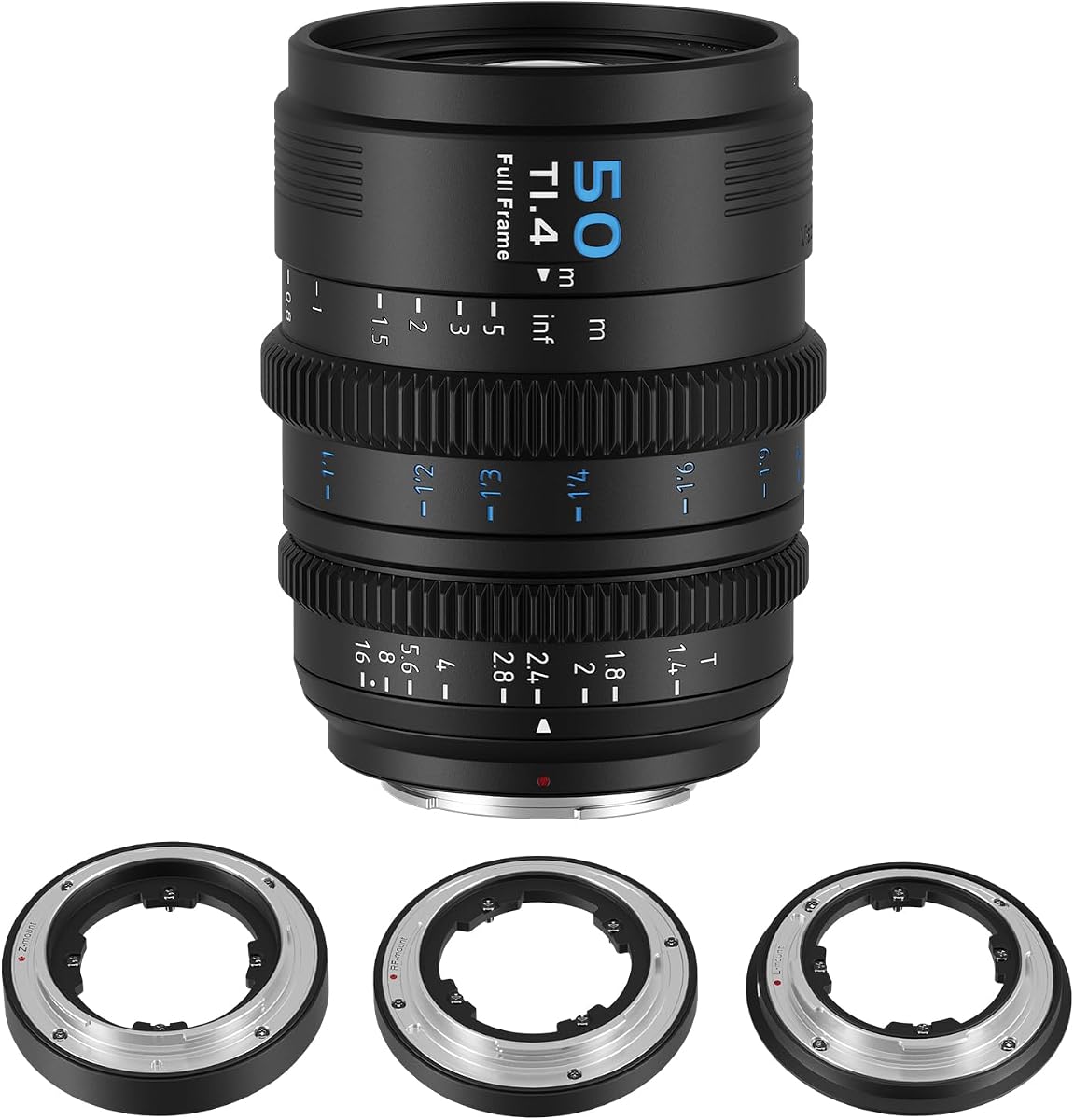
This SIRUI VP-1 Vision Prime 1 50mm T1.4 is a full frame cine lens with an interchangeable mount system. It is designed for seamless camera changes and smooth production workflows.
We may earn a commission when you buy through this link, at no additional cost to you.
The T1.4 aperture provides strong low-light capability and beautiful bokeh. The compact aluminum body and lightweight design make it easy to stabilize.
The lens is optimized for full frame sensors and requires manual focus. Consistency across the set ensures color and gear matching.
For creators needing a lightweight prime with mount flexibility, this SIRUI VP-1 is a solid choice for professional shoots.
Switch between E, RF, Z, and L mounts to adapt to different cameras. This flexibility saves money and increases your compatibility across camera systems.
Designed for full frame coverage, this lens delivers sharp edge-to-edge performance. This makes it suitable for high-resolution and cinematic storytelling work.
We may earn a commission when you buy through this link, at no additional cost to you.
The SIRUI Night Walker 24mm S35 Manual Focus for M4/3 is a compact cine lens with T1.2 aperture. It is designed for low-light filming and expressive storytelling.
We may earn a commission when you buy through this link, at no additional cost to you.
The T1.2 aperture gathers more light and creates soft bokeh. The aluminum housing provides a durable and lightweight build for handheld work.
The 270-degree focus rotation supports smooth manual focus. Its compact design is ideal for travel and gimbal setups.
If you shoot with Panasonic M4/3 systems, this SIRUI Night Walker is a reliable and lightweight option for creative production.
The large aperture captures more light for pure night scenes. This reduces the need for high ISO and maintains a clean image.
The aluminum cine housing is sturdy yet portable. It protects internal elements while keeping the lens light for travel and handheld shooting.
We may earn a commission when you buy through this link, at no additional cost to you.
This Rokinon DSX85 DSX 85mm T1.5 Lens for Canon EF is an affordable portrait lens with full frame coverage. It offers a wide aperture range and smooth bokeh for creative work.
We may earn a commission when you buy through this link, at no additional cost to you.
The T1.5 aperture enables strong depth-of-field control and low-light shooting. The 9-blade iris enhances the quality of out-of-focus backgrounds.
The lens is manual focus and fixed focal length. However, the optical quality makes it a good entry point for filmmakers needing portrait optics.
If you want a cost-effective portrait lens with solid performance, this Rokinon DSX option is a practical choice for many productions.
Aperture range from T1.5 to T34 allows you to adjust light and depth precisely. This supports a wide range of shooting scenarios and creative styles.
The 9-blade iris creates smooth and attractive bokeh. This helps your subjects stand out in interviews and close-up cinematic shots.
We may earn a commission when you buy through this link, at no additional cost to you.
Choosing the right cine lens depends on camera compatibility, optical quality, and your specific production needs. This guide explains what to look for.
Select a lens that matches your camera mount. Common mounts include Canon EF, RF, Sony E, Nikon Z, and M4/3. Some lenses offer interchangeable mounts for flexibility.
Ensure the lens mounts securely and supports your camera body without compromising balance or operation.
Check if the lens covers your sensor size. Full frame lenses cover larger sensors while S35 covers smaller ones. Using the wrong coverage can result in crop or vignetting.
Match the lens to your camera sensor to get the intended field of view and image quality.
Look for wide T-stops like T1.2 or T1.5 for low-light performance and shallow depth of field. T-stops are calibrated for accurate exposure in video.
A larger aperture helps you shoot in dim conditions and create cinematic separation.
Cine lenses typically feature manual focus with smooth rotation. De-clicked aperture rings allow seamless exposure adjustments while recording.
Ensure the focus and aperture controls suit your workflow and rigging setup.
Advanced coatings and elements like aspherical and ED glass improve sharpness and reduce aberrations. This ensures high-resolution results for 4K and 8K.
Check for minimal focus breathing to maintain framing during manual focus pulls.
Aluminum housings and robust construction protect the optics and improve handling. A sturdy build is important for professional use.
Consider weight and dimensions for stabilization and travel.
Kits provide multiple focal lengths with matching gear positions and color consistency. Single lenses offer targeted focal lengths for specific looks.
Choose based on your budget and creative needs.
Verify compatibility with accessories like matte boxes and follow focuses. Standard thread sizes and gear positions simplify setup.
Support and warranty options can impact long-term value.
Start by mounting the lens securely on your camera. Check that the mount is tight and aligned to prevent any damage during movement.
Use manual focus rings and aperture controls smoothly to maintain consistent exposure and focus pulls during recording. Practice to refine your technique.
Keep the lens clean and store it in a dry case. Avoid harsh environmental conditions and handle the glass with care to preserve optical quality.
A cine lens is a lens designed for video production with manual focus, T-stops for accurate exposure, and consistent build. It prioritizes smooth operation and optical quality for storytelling.
It is a lens built for cinema production featuring manual controls, standardized gear positions, and T-stops for exposure accuracy. It supports smooth operation and high-quality imaging.
Many cine lenses can work on still cameras but may lack autofocus. They are optimized for video performance and manual operation with consistent optical quality.
T-stop measures actual light transmission and is calibrated for exposure in video. F-stop is an approximate ratio. T-stops ensure consistent brightness across lenses.
Cine lenses vary in price. Entry kits offer affordability while high-end zooms cost more. Value depends on optical quality, build, and features like parfocal design.
Yes, many cine lenses are balanced for gimbals. Check weight and size to ensure proper stabilization and smooth handheld operation.
Keep it in a protective case, avoid dust, and clean elements gently. Check focus and aperture rings for smooth movement and avoid exposure to moisture.
Focus breathing is when framing shifts as focus changes. Cine lenses minimize this for smooth shots. Low breathing helps maintain consistent composition during focus pulls.
The top picks include the SIRUI VP-1 Vision Prime for mount versatility, the ROKINON DS kit for budget flexibility, and the DZOFILM Pictor for premium zoom performance.
Prioritize mount compatibility, aperture range, and build quality based on your production needs. These factors determine how well the lens fits into your workflow.
Prices and availability change. Check current listings and read user reviews before buying to ensure you get the best value for your investment.