
Zigbee Human Presence Sensor 24GHz
4.0Editor score
Detects stationary people reliably
Wide Zigbee hub compatibility
Long battery life with two AAA
This guide compares the top Home Assistant human presence sensors using radar and Zigbee to help you choose the right device for smart automation.
Finding the right sensor for your smart home can be challenging when you need reliable detection. A good home assistant human presence sensor uses advanced radar to detect motion and stillness accurately.
We evaluated ten real products based on their detection technology, compatibility, and ease of setup. Each option offers unique strengths for different automation needs and home configurations.
Every pick shows key features and pros cons to help you decide quickly. Please note that prices and availability change frequently so verify details before purchasing.
4.0Editor score

4.4Editor score

3.6Editor score
The following table provides a side by side comparison of all ten products evaluated in this guide. You can see key specifications and features at a glance to help narrow your choices.




The Akamatis Human Presence & Light Sensor Litos v3 stands out as the top pick for Home Assistant users seeking reliable detection. It combines 24GHz mmWave radar with an integrated ambient light sensor to provide precise automation triggers. The device comes pre-flashed with ESPHome firmware making integration straightforward without manual configuration.
We may earn a commission when you buy through this link, at no additional cost to you.
Its mmWave radar detects both moving and stationary objects up to twenty feet indoors ensuring lights stay on while you read or work. The light sensor matches human eye sensitivity for accurate readings enabling rules like turning lights on only when dark and occupied. The external antenna improves Wi-Fi range and stability significantly.
While the requirement for an existing Home Assistant installation limits broader use the trade-off ensures local control and privacy. Users comfortable with basic setup will appreciate the refined front panel design that allows light to pass through naturally. This sensor balances performance and ease of use exceptionally well.
If you prioritize accurate presence detection within the Home Assistant ecosystem this sensor is the best choice. It eliminates the frustration of lights turning off during inactivity and offers robust features for the price. Verify your Home Assistant setup is ready before purchase to ensure a smooth experience.
The 24GHz mmWave radar detects stationary people reliably eliminating false negatives during inactivity.
Ambient light readings match human vision enabling context aware lighting automation without extra sensors.
We may earn a commission when you buy through this link, at no additional cost to you.
The Akamatis Human Presence Sensor v2.2 offers exceptional value for Home Assistant users on a budget. It uses a HLK-LD2410B radar module to detect stationary presence up to twenty feet accurately. The device comes with pre-flashed ESPHome firmware simplifying setup to connecting via hotspot and entering Wi-Fi credentials.
We may earn a commission when you buy through this link, at no additional cost to you.
Its external antenna enhances Wi-Fi stability ensuring consistent communication with your Home Assistant server. The compact plug-and-play design powered by USB-C makes installation flexible without battery replacements. Certified components guarantee compliance and reliable operation over time.
While limited to Home Assistant compatibility the focused scope ensures optimized performance. Users should have a basic familiarity with the platform for smooth integration. The lower price does not compromise detection accuracy making it a practical choice for multiple rooms.
Choose this sensor if you need reliable presence detection without breaking the bank. It works well in bedrooms and living spaces where staying on is critical. Ensure you have power access nearby as USB power is required for operation.
High-performance mmWave radar detection at a competitive price point for budget conscious homeowners.
Pre-flashed firmware eliminates manual setup steps for quick connection to Home Assistant.
We may earn a commission when you buy through this link, at no additional cost to you.
The Zigbee Human Presence Sensor delivers broad compatibility with major hubs including SmartThings and Home Assistant. Its 24GHz radar detects stationary individuals up to twenty feet ensuring lights remain active during inactivity. The device runs on two AAA batteries lasting up to two years in typical usage.
We may earn a commission when you buy through this link, at no additional cost to you.
It resolves the common issue of standard motion sensors turning lights off when users read or sleep. The wide hub support allows integration into diverse smart home ecosystems seamlessly. Setup is straightforward via your existing Zigbee network without complex configurations.
While it lacks an integrated light sensor users can pair it with separate lighting controls. The battery life is impressive reducing maintenance frequency for hard-to-reach locations. This sensor balances performance and convenience for those avoiding wired power.
Select this option if you need a reliable presence detector compatible with multiple platforms. It is ideal for renters or setups where Wi-Fi connectivity is limited. Verify your hub supports Zigbee 3.0 for optimal performance.
Works with SmartThings Home Assistant and Echo devices offering flexible smart home integration.
Two AAA batteries power the device for years reducing the need for frequent replacements.
We may earn a commission when you buy through this link, at no additional cost to you.
The Aqara Presence Sensor FP300 combines PIR 60GHz mmWave light temperature and humidity sensors in one device. Its AI-powered learning optimizes sensitivity to reduce false triggers while detecting presence accurately. Matter over Thread support ensures modern connectivity with major ecosystems.
We may earn a commission when you buy through this link, at no additional cost to you.
The 120-degree field of view and six meter range make it suitable for large rooms. Flexible mounting options allow wall or ceiling placement without wiring hassles. It offers up to three years of battery life in Zigbee mode.
Premium features come with a higher cost and specific hub requirements for full functionality. Users must ensure their hub supports Matter or Zigbee 3.0 for seamless operation. The all-in-one design reduces clutter but may be overkill for simple needs.
Choose this sensor for advanced automation requiring environmental data alongside presence detection. It is perfect for living rooms or offices where temperature and light matter. Invest in the necessary hubs to unlock its full potential.
Five sensors in one device provide comprehensive data for climate and lighting automation.
Adaptive AI reduces false positives by learning your specific home environment.
We may earn a commission when you buy through this link, at no additional cost to you.
The SONOFF SNZB-06P24 offers unique seven zone detection area settings for precise control over where presence is detected. It features 24GHz mmWave radar and an ambient light sensor for context-aware automation. Self-learning calibration filters out interference from appliances improving stability.
We may earn a commission when you buy through this link, at no additional cost to you.
Users can customize zones to ignore windows or focus on sofas enhancing energy efficiency. The Zigbee compatibility allows integration with SmartThings and Home Assistant seamlessly. Setup via the eWeLink app makes third-party configuration convenient without technical expertise.
While USB-C power is required the reliable detection offsets this limitation. The light sensor adds value but requires manual calibration for best results. This sensor is ideal for rooms where specific areas matter most.
Opt for this device if you need granular control over detection zones. It balances advanced features with ease of use well. Ensure your Zigbee hub supports advanced settings for full functionality.
Configure up to seven zones to detect presence only in specific areas.
Self-learning features filter interference to maintain accurate detection over time.
We may earn a commission when you buy through this link, at no additional cost to you.
The SONOFF Zigbee Human Presence Sensor provides reliable detection at an affordable price. It uses 5.8GHz cmWave radar to detect stationary and moving people accurately. The built-in light sensor ensures lights only activate when presence is detected in darkness.
We may earn a commission when you buy through this link, at no additional cost to you.
It supports Zigbee 3.0 hubs and executes local scenes even without internet connection. Compatible with Alexa Google Home and Home Assistant for broad ecosystem integration. Setup requires a Zigbee bridge which is common in many smart homes.
The radar range is slightly lower than 24GHz options but sufficient for small rooms. Local scene execution enhances privacy and reliability during network outages. This makes it a practical choice for basic automation needs.
Select this sensor for simple setups where cost matters. It works well in hallways or bathrooms requiring basic presence detection. Verify your hub supports Zigbee 3.0 before purchasing.
Smart scenes run locally ensuring reliability even when internet is unavailable.
Affordable pricing makes it accessible for entry level smart home automation.
We may earn a commission when you buy through this link, at no additional cost to you.
This compact Zigbee presence sensor combines human detection with temperature humidity and light sensing. Its 24GHz radar ensures precise detection of micro-movements like breathing. The magnetic base allows quick attachment to metal surfaces without tools.
We may earn a commission when you buy through this link, at no additional cost to you.
It provides comprehensive data for smart home automation with just one device. The small 40mm dimensions make it discreet and versatile for placement. CR2450 battery powers it for months reducing maintenance needs.
While it requires a Zigbee hub the added environmental features justify the complexity. Home Assistant users benefit from local control and low latency performance. The multi-sensor approach eliminates the need for separate devices.
Choose this sensor for rooms needing both presence and climate data. It fits well in nurseries or offices where monitoring conditions matters. Ensure your hub is ready for Zigbee pairing.
Temperature humidity and light sensors provide rich data for holistic home automation.
Ultra compact design blends into any decor while maintaining high performance.
We may earn a commission when you buy through this link, at no additional cost to you.
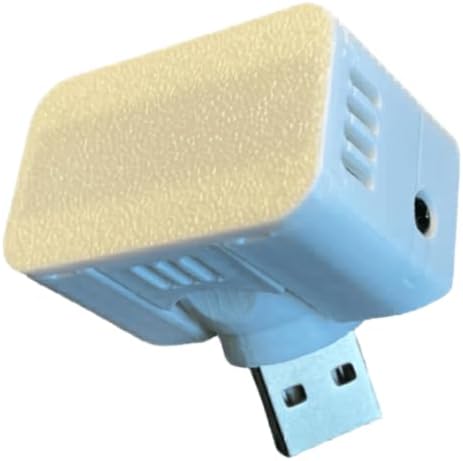
The Akamatis Human Presence Sensor v1.3 is a robust Wi-Fi solution for Home Assistant users. It uses a HLK-LD2410B radar module to detect presence accurately up to twenty feet. The device connects easily via hotspot without manual flashing steps.
We may earn a commission when you buy through this link, at no additional cost to you.
Its external antenna and certified components ensure stable operation and compliance. USB-A power with a two-axis joint offers flexible mounting options. The compact design fits discreetly into corners or shelves.
The high rating reflects satisfaction with its reliability and detection accuracy. Users appreciate the pre-flashed ESPHome firmware for quick setup. It is ideal for those avoiding battery replacements.
Opt for this sensor if you prefer direct Wi-Fi connectivity. It is a dependable choice for continuous monitoring. Ensure you have USB power access for installation.
Consistent detection and connectivity ratings make it a trusted choice.
USB-A connector allows placement near outlets without cord management issues.
We may earn a commission when you buy through this link, at no additional cost to you.
The WenzhiIoT Smart Motion Sensor offers extensive customization for Tuya Smart Life and Home Assistant users. It uses a 5.8GHz radar module to detect micro-movements. The illuminance monitor enables smart scene linkage based on light brightness.
We may earn a commission when you buy through this link, at no additional cost to you.
Adjustable sensitivity from one to nine and minimum maximum ranges allow precise tuning. Users can set unmanned delay times to avoid annoying false triggers. The wall mount design fits easily on walls using included tape.
Distance reporting and luminance monitoring provide detailed automation opportunities. However setup requires a Zigbee hub and sometimes custom files for full recognition. This sensor suits users comfortable with detailed configuration.
Select this for advanced automations needing distance or light data. It works well with Tuya hubs for broad device integration. Verify your hub compatibility before buying.
Sensitivity and delay settings offer granular control over detection behavior.
Reports detected distance for context-aware automation and analytics.
We may earn a commission when you buy through this link, at no additional cost to you.
The Meross MS600 combines radar PIR and light sensors for accurate detection. Matter over Wi-Fi ensures local control with Apple Home and Alexa hubs. It includes a pet-proof shield to prevent false triggers from animals.
We may earn a commission when you buy through this link, at no additional cost to you.
Its 12 meter detection range with effective presence detection at six meters covers large spaces. The pivoting base allows flexible positioning. Continuous power ensures constant operation without battery changes.
While requiring a cord it provides reliability for key rooms. The Matter framework enhances privacy and offline capabilities significantly. This sensor suits homeowners invested in Matter ecosystems.
Choose this sensor for Matter-based setups needing pet safety. It works well in living areas with pets or robots. Verify power outlet proximity before purchase.
Seamless integration with major smart home ecosystems via Matter protocol.
Shield prevents false triggers from pets or robots ensuring reliable automation.
We may earn a commission when you buy through this link, at no additional cost to you.
Choosing the right sensor involves balancing detection accuracy compatibility and power requirements.
Radar technology like mmWave detects stationary presence while PIR requires motion. For Home Assistant users radar sensors provide reliable detection during reading or sleeping. Always check if the sensor supports micro-movement detection to avoid false negatives.
Prioritize radar sensors for true presence automation and PIR for basic motion needs.
Wi-Fi sensors connect directly to your router but may strain your network. Zigbee or Thread sensors require a hub but offer better efficiency and range. For Home Assistant choose protocols your hub supports to ensure local control.
Zigbee or Thread is recommended for stable local automation without cloud dependency.
Battery powered sensors offer flexible placement but need periodic replacements. Wired sensors via USB provide continuous operation but require access to outlets. Consider where you plan to install the device when choosing power options.
Use wired power for high traffic areas and batteries for hard-to-reach spots.
Integrated light sensors enable context-aware lighting automation like turning lights on only when dark. Multi-sensor devices adding temperature and humidity help optimize climate control. Evaluate if you need these extra features for your specific rooms.
Light sensors are valuable for lighting rules and multi-sensor devices add home climate data.
Some sensors require specific hubs or ecosystems like Aqara or Tuya. Others are built for Home Assistant only like the Litos series. Verify your existing infrastructure before buying to avoid compatibility issues.
Ensure the sensor works with your current hub and software platform seamlessly.
Most sensors cover up to twenty feet but some offer wider angles or longer reach. Match the range to your room size to prevent blind spots. Adjustable sensitivity helps avoid detecting movement in corridors.
Select a range that covers your room fully without triggering on adjacent spaces.
Battery life varies significantly with radar use and update frequency. Two AAA batteries can last years while CR2450 cells may last months. Check battery type and life claims if opting for wireless installation.
Long battery life reduces maintenance for sensors in ceiling or high placement.
If you have pets choose sensors with pet proof shields or adjustable sensitivity. This prevents false triggers from animals triggering lights or alerts. Some models allow zone configuration to exclude pet areas entirely.
Pet proof features are essential for homes with cats or dogs.
Start by placing the sensor at head height for optimal detection. Avoid pointing it directly at windows or vents that might trigger false alarms. Ensure the device has clear line of sight to the area you want to monitor.
Connect the sensor to your hub or network using the provided app. For Home Assistant integrate it via Zigbee or ESPHome integration. Configure automations to turn lights on when presence is detected and off after a delay.
Periodically check the device for dust or obstruction that might affect radar. Replace batteries when low and update firmware to maintain security. Test the sensor by walking through the room to confirm detection works correctly.
PIR sensors detect heat from moving bodies but miss stationary people. mmWave sensors detect micro-movements like breathing allowing them to sense stillness. For Home Assistant mmWave is preferred for reliable lighting control.
Wi-Fi sensors connect directly but Zigbee sensors require a Zigbee bridge. Home Assistant supports multiple Zigbee USB dongles. Check if your chosen device supports Wi-Fi to avoid extra hardware.
Most radar sensors detect all movement. Some models include pet proof shields or zone settings to ignore pets. Review product specs for pet compatibility if you have animals.
Battery life depends on usage and signal frequency. Typical AAA batteries last years while CR2450 may last months. Check individual product details for accurate estimates.
No. Some work with Alexa Google Home or SmartThings independently. Others like the Litos series require Home Assistant for full functionality. Verify compatibility before buying.
Yes you can create automations to control smart bulbs directly. Ensure your bulbs are integrated with the same hub. This allows seamless lighting control when presence is detected.
Choose battery powered models like the Zigbee options for wireless installation. Ensure you can mount them securely on walls or ceilings. Replace batteries periodically for continued operation.
Adjust sensitivity settings and configure detection zones if available. Avoid placing near heat sources or airflow. Regular firmware updates also help improve detection accuracy.
The Akamatis Litos v3 leads for Home Assistant users with its integrated light sensor and reliable mmWave detection. For broader hub compatibility the Zigbee options offer flexible solutions without extra cost.
Prioritize sensors that detect stationary presence to avoid lights turning off unnecessarily. Consider power and connectivity requirements to match your home setup before purchasing.
Prices and availability change frequently so verify current details on Amazon before finalizing your choice.