
TTARTISAN 40mm f/2.8 Macro Lens APS-C
4.4Editor score
1:1 macro magnification ratio
11-blade creamy bokeh design
Compact all-metal construction
This expert guide compares the top 10 macro lenses for insect photography, covering smartphone clips, conversion filters, and dedicated camera lenses for
Capturing the intricate world of insects requires specialized optics that bring tiny details into sharp focus. A good macro lens allows photographers to explore textures and patterns invisible to the naked eye while maintaining clarity and color accuracy in varied lighting conditions.
We evaluated ten distinct options ranging from affordable smartphone attachments to professional-grade mirrorless lenses. Our analysis focuses on magnification ratios, optical quality, build durability, and ease of use to help you find the right tool for your specific shooting style and budget.
Each pick in this list highlights unique strengths for documenting the natural world up close. Whether you prioritize portability or ultimate resolution, these lenses deliver exceptional results. Please note that availability and pricing may fluctuate, so verify current details before purchasing.
4.4Editor score

4.7Editor score
4.6Editor score
The following table provides a side-by-side overview of the top ten macro lenses selected for insect photography. Compare key specifications like magnification, compatibility, and optical design to determine which lens aligns best with your camera system and shooting requirements.


This Canon RF lens sets the standard for professional macro photography with its unique 1.4x magnification capability. Rated highly by users, it delivers incredible sharpness and clarity that reveals textures impossible to capture with standard lenses.
We may earn a commission when you buy through this link, at no additional cost to you.
The optical design features advanced spherical aberration control that lets you shape the bokeh for creative depth. With a bright fixed f/2.8 aperture and up to five stops of shake correction, it performs beautifully in low light and moving subjects.
While it comes at a premium price, the build quality and optical performance justify the investment for serious photographers. It is slightly heavier than other options but remains manageable for handheld shooting sessions in the field.
If you need the ultimate detail and versatility for insect work, this lens is the top recommendation. It balances technical precision with artistic control better than any other option on the market today.
The 1.4x magnification allows you to see features that are invisible at 1:1, providing extreme closeness without losing clarity.
The SA control ring gives you unique flexibility to adjust foreground and background blur characteristics during your shoot.
We may earn a commission when you buy through this link, at no additional cost to you.
This TTARTISAN lens offers an exceptional balance of performance and cost for photographers starting their macro journey. With a true 1:1 magnification ratio, it captures life-size details of insects while maintaining sharp optical clarity throughout the frame.
We may earn a commission when you buy through this link, at no additional cost to you.
Its all-metal construction feels durable despite its lightweight 13.1 ounce design, making it ideal for hiking and field work. The 11-blade aperture creates smooth background blur that isolates subjects beautifully in busy natural environments.
The manual focus ring is precise but requires steady hands, which may take practice for fast-moving insects. Additionally, compatibility is limited to Sony E-mount cameras, so check your system before purchasing to ensure fit.
For those seeking professional results without a high price tag, this lens is a smart choice. It proves that you do not need to spend a fortune to capture stunning insect imagery with your mirrorless camera.
Being 30 percent lighter than similar options ensures you can carry it for hours without fatigue during long outings.
Dual LD glass elements minimize aberrations so your photos remain crisp and clear across various lighting conditions.
We may earn a commission when you buy through this link, at no additional cost to you.
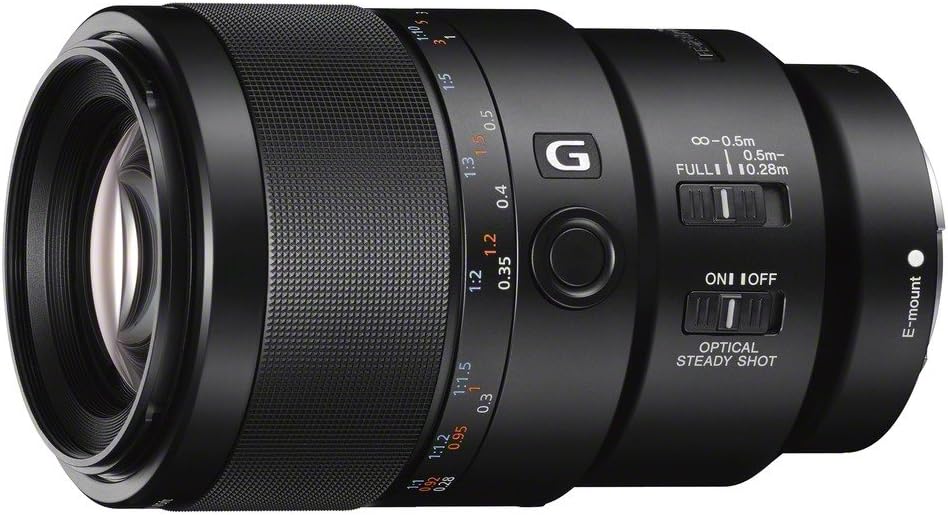
The Sony FE 90mm is a top-tier choice for full-frame shooters demanding the highest image quality. Its optical design ensures sharpness from the center to the edges, capturing every intricate vein and hair on your insect subjects with precision.
We may earn a commission when you buy through this link, at no additional cost to you.
The Nano AR coating effectively suppresses reflections and flare, which is crucial when shooting outdoors under bright sunlight. Combined with dust and moisture resistance, this lens is built to withstand harsh weather conditions during field expeditions.
While it carries a significant price tag and is heavier than APS-C alternatives, the performance justifies the cost for professionals. The autofocus is quiet and precise, allowing you to track moving bugs without disturbing them with noise.
If you already own a Sony full-frame system and want the definitive macro lens, this is the one to choose. It delivers consistent, professional results that stand up to the highest standards of nature photography.
Advanced Spherical elements and Super ED glass reduce flare and ghosting for clean, vibrant images every time.
Direct Drive SSM ensures silent focusing which is essential when photographing skittish insects in the wild.
We may earn a commission when you buy through this link, at no additional cost to you.
This smartphone lens turns your mobile device into a powerful tool for close-up insect photography. With a 10X magnification and lossless technology, it captures fine details like pollen on flowers or scales on butterfly wings with surprising clarity.
We may earn a commission when you buy through this link, at no additional cost to you.
The large F1.05 aperture helps manage low-light conditions effectively, creating natural depth of field and beautiful bokeh. You can shoot from a comfortable distance without startling your subject, which is vital when working with active insects.
Because it relies on your phone's sensor, results depend on lighting and stability. You may need a tripod or steady hands to avoid blur at high magnification, but it remains the most portable option available.
For hobbyists who want to start macro photography immediately without new gear, this lens is a fantastic entry point. It proves that smartphone photography can produce stunning results with the right optical attachment.
The 10X optical power reveals textures that are usually invisible, letting you shoot detailed portraits on your phone.
A large F1.05 aperture ensures you get enough light for clear images even in shaded areas or indoors.
We may earn a commission when you buy through this link, at no additional cost to you.
This lens offers a more secure attachment method than standard clips by using a 17mm screw thread connection. It delivers 10x optical magnification with a precision optical design that captures clear images of insects and small objects without distortion.
We may earn a commission when you buy through this link, at no additional cost to you.
The aluminum alloy body provides a professional feel and better grip during use. You can adjust your shooting distance freely thanks to the tele-focusing operation, allowing for precise control over your framing and focus.
You will need a compatible phone case or a dedicated clip to mount it properly, which may require some initial setup. However, once installed, it feels much more stable than typical clip-on lenses during active shooting.
If you are a mobile photographer looking for a robust solution, this lens offers a significant upgrade in stability and image quality. It bridges the gap between casual phone lenses and professional optics for everyday use.
The screw thread design prevents slipping or shifting, ensuring your lens stays aligned for sharp photos every time.
Aluminum alloy construction improves durability and provides a premium tactile experience compared to plastic alternatives.
We may earn a commission when you buy through this link, at no additional cost to you.
This conversion lens transforms your existing DSLR lens into a macro tool quickly and easily. With compatibility for threads ranging from 37mm to 72mm, it works with most standard lenses, making it a versatile choice for various camera setups.
We may earn a commission when you buy through this link, at no additional cost to you.
The 3-element optical design features multi-coated glass to minimize reflections and improve light transmission. This helps deliver clearer close-up details of flowers and insects without the heavy cost of a dedicated macro lens.
While it offers good value, some users report slight distortion or reduced sharpness compared to true macro optics. However, for casual photographers or beginners, the convenience of instant snap-on setup is a major benefit worth considering.
If you want to try macro photography without buying new glass, this adapter is an excellent starting point. It lets you explore the world of close-ups using gear you already own with minimal effort or expense.
Universal compatibility with common lens threads means you can use it on almost any DSLR or mirrorless lens.
Tool-free snap-on design allows you to switch between macro and normal photography instantly in the field.
We may earn a commission when you buy through this link, at no additional cost to you.
This Canon lens is a versatile option for those who want macro capabilities alongside everyday shooting utility. While it offers 0.5x magnification, it gets very close to subjects with a minimum focus distance of just 0.56 feet, perfect for small insects.
We may earn a commission when you buy through this link, at no additional cost to you.
The optical image stabilization provides up to five stops of shake correction, ensuring sharp handheld shots even in low light. A dedicated control ring allows you to adjust settings like ISO or aperture directly without digging into menus.
It is not a dedicated 1:1 macro lens, so some extreme details may not be captured with the same precision as longer lenses. However, its compact size and fast f/1.8 aperture make it great for mixed shooting scenarios.
If you need a single lens for portraits, street, and occasional macro, this is a smart choice. It offers excellent value and performance for photographers who prioritize versatility over extreme magnification.
The short minimum focus distance lets you get close enough for detailed insect photos without needing extension tubes.
With up to five stops of stabilization, you can shoot handheld in dim conditions and still get sharp results.
We may earn a commission when you buy through this link, at no additional cost to you.
This filter kit provides multiple magnification options in one affordable package. Each filter maintains resolution and clarity while magnifying the image size, allowing you to photograph small insects with more detail than standard lenses offer.
We may earn a commission when you buy through this link, at no additional cost to you.
The double-threaded design lets you stack filters to combine their strengths, creating stronger magnification like +3 or +5 when needed. This flexibility allows you to experiment with different close-up effects without buying separate lenses.
Keep in mind you must match the filter size to your lens thread, which is marked on the lens barrel. While convenient, stacked filters can introduce optical aberrations if not used carefully with high-quality glass.
For photographers on a budget who want to experiment with macro, this set is a practical tool. It provides a flexible way to get close-up shots without investing in dedicated macro optics.
Combining filters like +1 and +4 lets you create custom magnification levels to suit different subjects and needs.
Double threading allows you to attach other accessories like polarizers while keeping the close-up effect active.
We may earn a commission when you buy through this link, at no additional cost to you.
This kit provides everything you need to upgrade your smartphone photography including a dedicated macro lens. The 15x macro lens captures razor-crisp details, while the included LED fill light helps illuminate dark subjects in low-light environments.
We may earn a commission when you buy through this link, at no additional cost to you.
The LED light clips anywhere on your phone, offering superior brightness to the built-in flash which often creates harsh shadows. With three brightness settings, you can adjust the intensity to match your subject and surrounding conditions perfectly.
While great for casual use, the lens quality may show artifacts like vignetting if not aligned properly with the phone camera. The kit is best suited for hobbyists who want an all-in-one solution without complex setups.
If you want a ready-to-use macro solution for your phone, this kit is a convenient option. It simplifies the process of capturing close-up insect images with added lighting and protection in a travel case.
The GlowClip LED light helps eliminate shadows so you can see fine details clearly without harsh reflections.
Included case and lanyard ensure your lenses are protected and accessible when you head out into the field.
We may earn a commission when you buy through this link, at no additional cost to you.
This specialized lens is designed specifically for extreme macro work, offering a magnification range from 2x to 5x. It surpasses life-size proportions to reveal minute details on insects, making it ideal for scientific or artistic close-up photography.
We may earn a commission when you buy through this link, at no additional cost to you.
The wide-angle configuration provides greater depth of field compared to telephoto counterparts, keeping more of the subject in focus. This is especially helpful when working with complex subjects that have multiple layers or intricate textures.
It lacks infinity focus, so it cannot be used for general photography beyond macro work. Also, the manual focus requirement demands patience and steady hands to achieve perfect sharpness on moving or small insects.
If you need extreme magnification on a budget and already use a Sony E-mount camera, this lens is a valuable tool. It opens up a new world of detailed photography that standard macro lenses cannot reach.
With up to 5x magnification, this lens captures details that are completely invisible to standard macro lenses.
The design optimizes depth of field so more of your tiny subject stays sharp even at high magnifications.
We may earn a commission when you buy through this link, at no additional cost to you.
Choosing the right macro lens depends on your camera system, budget, and specific photography goals. This guide breaks down the key factors to consider before making a purchase.
Magnification ratio defines how large the subject appears on your sensor. A 1:1 ratio means the subject is life-size, while 2x means it appears twice as large. Higher ratios are essential for capturing minute insect details.
Look for lenses offering at least 1:1 magnification for true macro work, or specialized lenses like the AstrHori for extreme close-ups exceeding life-size.
Ensure the lens matches your camera's mount system such as Canon RF, Sony E-Mount, or Nikon Z. Smartphone lenses require universal clips or threaded connections compatible with your device.
Always check compatibility lists before buying to avoid purchasing a lens that does not physically attach to your camera body.
A wide aperture like f/2.8 allows more light into the lens, which is crucial for shooting in shaded outdoor areas. It also helps create a soft background blur to isolate your subject.
Prioritize lenses with larger maximum apertures to ensure bright, clear images even when natural light is limited.
Macro photography is sensitive to camera shake because of high magnification. Optical Image Stabilization (OIS) or In-Body Stabilization helps keep shots sharp when handheld.
If you plan to shoot handheld frequently, choose a lens with built-in stabilization to reduce blur and improve success rates.
Insect photography often takes place in wet or dusty outdoor environments. Lenses with weather sealing, metal construction, and dust resistance ensure long-term reliability in the field.
Invest in robust build quality to protect your investment from the elements and rough handling during nature shoots.
Some macro lenses offer autofocus, while others rely on manual focus for precise control. Manual focus rings are often smoother but require steadier hands for moving subjects.
Decide whether you need autofocus for speed or manual focus for exact framing and depth of field control.
Macro lenses range from affordable attachments to expensive professional optics. Determine your budget and whether the features justify the cost for your specific photography needs.
Compare options based on performance and longevity to ensure you get the best value without overspending on unnecessary features.
Heavier lenses can be tiring during long field sessions. Lightweight designs make handheld shooting easier, especially when using tripods or stabilizers.
Consider the weight of the lens in relation to your typical shooting style to ensure comfort and ease of use.
To get the best results, mount your lens securely and adjust focus carefully. Use a tripod if possible to minimize shake and maximize sharpness at high magnifications.
Clean the lens regularly with a microfiber cloth and store it in a dry place. Avoid touching glass elements with fingers to prevent smudges that affect image quality.
Practice patience when photographing insects as they move quickly. Use burst mode and continuous shooting to increase your chances of capturing sharp images of active subjects.
A 1:1 magnification ratio is standard for true macro work and allows life-size reproduction of insects. For extreme detail, consider lenses offering 2x or 5x magnification to see minute textures clearly.
Yes, modern smartphone macro lenses like the APEXEL or ULANZI offer significant magnification. They are portable and affordable but rely on phone stability and lighting for best results.
A tripod is highly recommended to eliminate camera shake, which is more visible at high magnifications. Handheld shooting is possible with stabilization but requires steady hands and good lighting.
Select the lens that matches your camera mount system. Canon RF lenses work with EOS R series, while Sony lenses fit E-mount cameras. Both offer excellent options for macro work.
A wide aperture like f/2.8 lets in more light for faster shutter speeds in low light. It also creates a soft background blur that helps your subject stand out from the surroundings.
Close-up filters provide an affordable way to try macro photography without buying a new lens. They are easy to use but may not match the sharpness of dedicated macro optics.
Use weather-sealed lenses when possible and carry a protective cover. Clean dust and moisture regularly and store gear in a padded case to prevent physical damage.
Manual focus gives you precise control over the focus point, which is crucial when depth of field is extremely shallow. It avoids hunting and ensures you focus on the desired insect part.
These ten lenses cover a wide range of options from budget-friendly attachments to professional optics. Each model offers unique strengths for capturing the detailed world of insects.
Prioritize magnification and optical quality based on your camera system and shooting style to ensure you get the results you desire.
Always check current availability and details before purchasing to confirm compatibility and pricing. With the right lens, your insect photography will reach new levels of clarity and detail.